Frequently Asked Questions (FAQ)

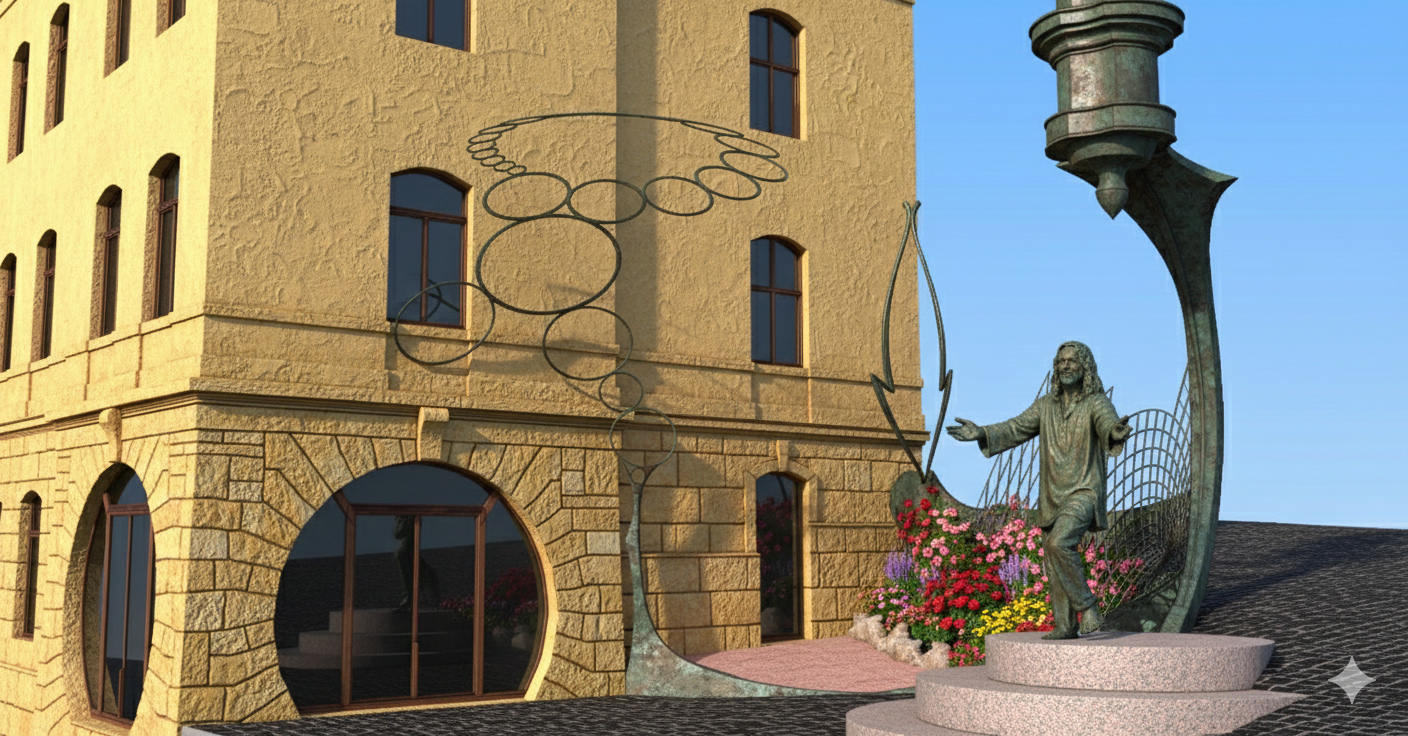
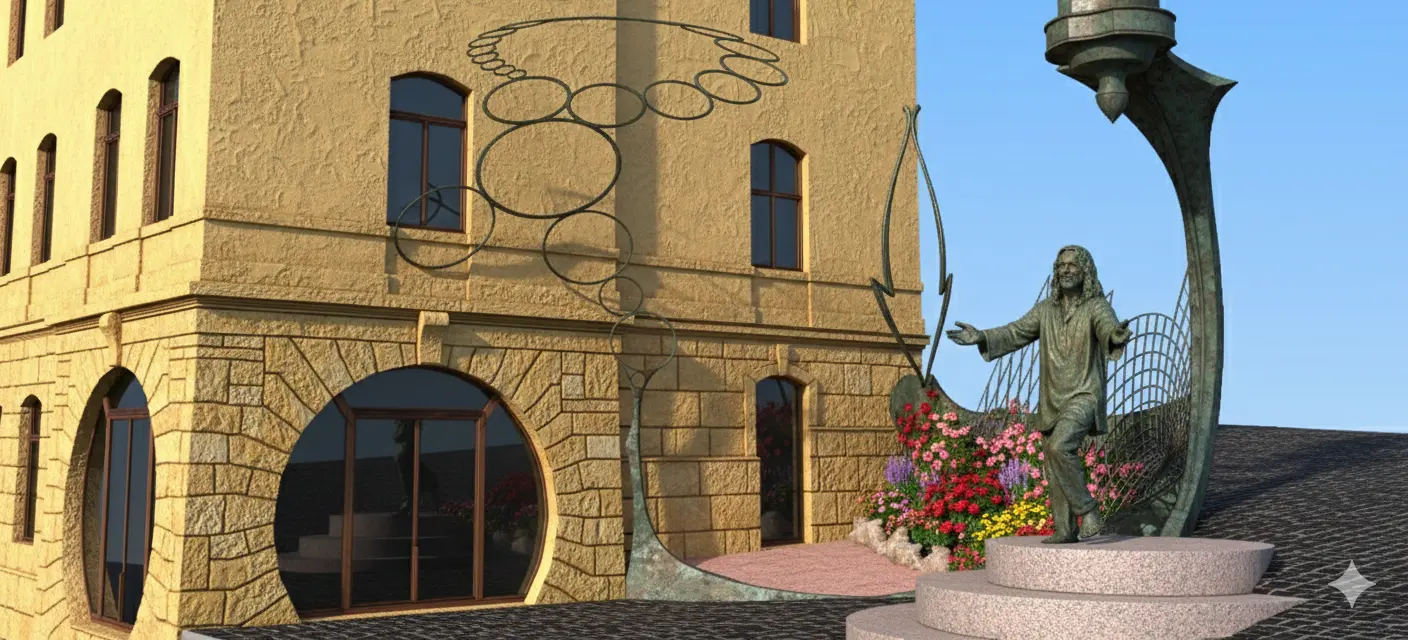
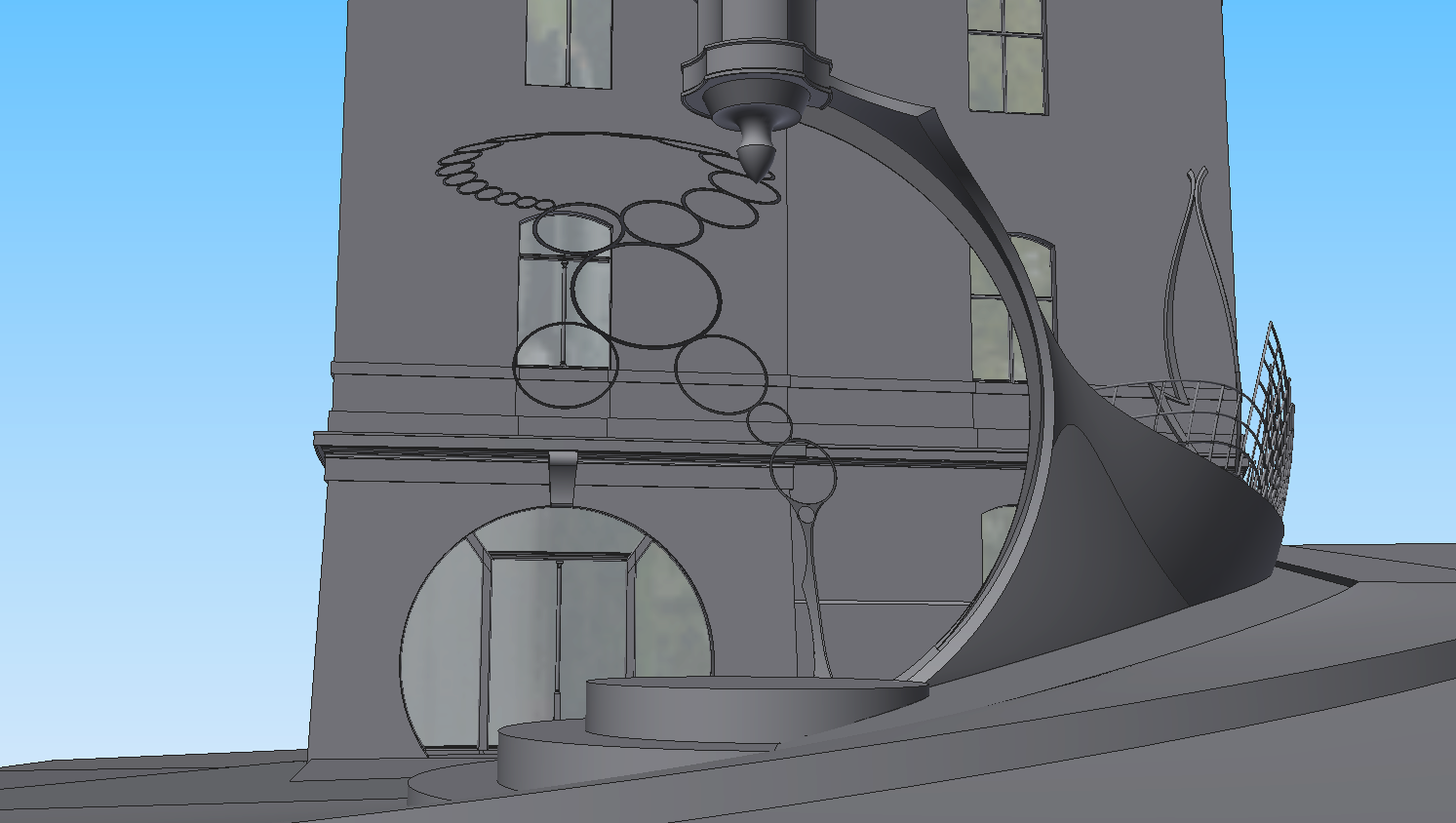
The 'Istvandukt' sculptural composition, AI-modeled bronze figure of Istvan Sky, at Istvanplatz in Greiz. 3D model.

This is a place for touch. For staying. For hugging. For reflection.

Istvan Sky, in whose honor this place and memorial were named, saw the meaning of his life in love. This sense of purpose permeates his work. He loved everything around him: people, nature, the sun, the rain, and especially music. Istvan lived in harmony with himself, and when he sang, he was simply happy.

The main idea of this memorial is to convey the elevated life philosophy and the purity of Istvan's inner world Istvan, so that others, passing by or spending time in this place, can feel this elevation.

We named the composition Istvandukt. In Latin, "Duco" means "I lead". Istvandukt is located at Istvanplatz.


1. General Questions About the Project

Regarding the first phase of the Istvan Sky Square project.

What is the idea and meaning of the work?

The main idea of this memorial is to convey the elevated life philosophy and the purity of Istvan's inner world Istvan, so that others, passing by or spending time in this place, can feel this elevation.

Who is the author of the work? Who is responsible for the project and what is their role?

The author of the artistic concept and form is Alexander Babel. He is responsible for the artistic, spatial, and content-related aspects of the project, as well as its phased implementation and integration into the urban environment.

Who is this work intended for?

The project is intended for all residents and visitors of the city — without age, social, or cultural restrictions. It does not require specialized knowledge nor a “correct” way of perception. Every viewer can engage in their own dialogue with the work.

Is the project artistic, architectural, or public?

The project intersects all three areas. It is an artistic expression, creates an architectural space, and simultaneously serves a public function as a place to stay and interact.

Is the work unique?

Yes. The project was designed specifically for this location, taking into account its history, concept, theme, and scale. It is not intended for serial reproduction.

Is this a monument in the classical sense?

No. The project deliberately avoids the classical form of a monument. It does not commemorate an event or person, but offers an open, contemporary form of artistic presence in the city. This is not a memorial of sorrow or a monument of distance. It is a place of living memory, where love, joy, and presence matter more than solemnity.

How does the project relate to the history of the location?

During our last meeting with Istvan, we watched an animation of the planned composition at this location, which at that time was intended for a completely different theme.

Is free access to the sculpture possible?

Yes. The project deliberately blurs the boundaries between private and publicly perceived space.
The square remains private property but will be open and accessible for free presence.
Through continuous paving with the sidewalk and its open character, the space will feel part of the urban environment.
This is a conscious artistic and urban planning decision, not a closed private area.

Is the sculpture created based on a sketch or a photograph?

The sculpture will be created from memory, based on how Istvan looked during personal encounters. Photographs may be used as supporting material.

How realistic will the depiction be?

The depiction will be realistic. The artistic solution is independently developed and replicates the real image.

Is the project religious?

No. The project is not associated with any religion or denomination. Its spirituality is human: love, kindness, harmony.

Why are there so many natural motifs in the composition?

Because Istvan's life was closely connected with nature, which he loved and celebrated in his work.

2. The Process of Creating Istvan's Bronze Sculpture

What stages does the work consist of?

The process includes concept development, sketches, digital and physical modeling, maket creation, casting, finishing, patination, and installation.

Is classical lost-wax casting used?

Yes, for the figure. The time-tested technique of lost-wax artistic casting is applied, adapted to modern design methods.

Is a preliminary model made?

Yes. The model is an essential part of the process and serves to verify proportions, plasticity, and interaction with the space.

What scale is the first model created in?

Typically, in a reduced scale (e.g., 1:5 or 1:10), followed by a full-scale model.

Can one participate in the approval process?

Discussion with the city and stakeholders is provided. The artistic solution, however, remains coherent.

Who makes the final artistic decisions?

The project author makes the final decisions and assumes full artistic and conceptual responsibility.

At what stage are changes possible, and at what stage are they no longer possible?

Changes are possible during the concept and model stage. Once casting begins, changes are limited and mainly technical.

3. The Process of Creating the Istvandukt Sculptural Composition

What stages does the work consist of?

The process includes 3D modeling, 3D printing of sand molds, casting of elements, on-site welding, subsequent finishing, patination, and installation on the foundation.

How is the production divided into stages?

First, the bench is made, to which the framework for the obelisk is welded, then the heart, flame, and rings of the tree crown – all 3D printed. The obelisk base, obelisk, waves, roots, and trunk – are created using classical casting.

Is a preliminary model made?

Not for the composition — it is not considered necessary.

Who makes the final artistic decisions?

The final decisions are made by the project author, who bears full artistic and conceptual responsibility.

4. Materials and Techniques

What bronze alloy is used?

A high-quality artistic bronze alloy resistant to atmospheric influences is used.

The figure of Istvan will use nickel-alloyed bronze.

What patina options are possible?

Various natural or artistic patinas are possible — from warm green or brown tones to dark or black shades. Combined or golden patinas are also possible.

How durable is bronze?

Bronze is one of the most durable materials for outdoor sculpture. With minimal maintenance, its lifespan spans decades or even centuries.

Will the sculpture be hollow or solid?

Typically, the sculpture is hollow, which is standard for large bronze works and ensures an optimal balance between strength and weight.

Why was this technological approach chosen?

This approach combines artistic freedom, technical reliability, and long-term durability of the result.

Are traditional and digital methods used simultaneously?

Yes. Modern digital technologies are used as tools but do not replace artistic work and craftsmanship.

5. Dimensions, Weight, and Installation

What are the possible dimensions?

Obelisk height: 10.5 m; tree height: 5.5 m; flame height: 6.7 m; bench length: 5.5 m.

What is the weight of the sculptural composition?

Approximately 3 tons of bronze.

Is a foundation or pedestal required?

A foundation is required, a pedestal is not.

Who is responsible for installation?

Installation is carried out directly by the project author, who owns the site.

Is the sculpture suitable for outdoor placement?

Yes. The project was originally designed for year-round outdoor display.

Can the object be moved in the future?

Theoretically yes, provided technical conditions are met.

Is the object stationary or inherently mobile?

The project is designed as stationary but does not exclude the possibility of relocation.

6. Timeline

How long does it take to create the sculpture?

The work may take approximately six months.

Can the process be accelerated?

Theoretically yes, but this is not the goal of the project.

What factors influence the timeline?

Since fabrication and installation are carried out directly by the project author, the timeline depends on him, considering various circumstances.

What is the current status?

As of 2026, the project is in the stage of sequential concept implementation.

Why is haste deliberately avoided?

Because the project prioritizes long-term quality over quick results.

7. Costs and Financing

What does the price include?

Design, materials, casting, finishing, patination, installation, transportation, welding, and related work.

Can the project be executed in phases?

Yes. The project was originally planned for phased implementation.

Is sponsorship or collective support possible?

Yes, various forms of support are considered.

Is there a project budget?

Yes, a preliminary budget has been prepared and will be updated as each stage is realized.

How are the funds specifically used?

Exclusively for project implementation and associated work.

All funds are allocated solely to:
• material procurement
• mold creation
• bronze casting
• transportation
No expenses are planned for marketing, administration, or unrelated purposes.

What is NOT included in the project cost?

Author’s work, permission to place the sculpture on private property, and costs not directly related to creating the object.

What happens if fundraising is incomplete?

Every effort will be made to ensure the project is realized.

Can the project be supported in ways other than financially?

Yes, organizational, professional, and informational support is possible.

Is personal participation in the project possible?

Yes. The project allows individual forms of participation beyond financial support.

8. Legal and Copyright Issues

Who owns the copyright?

The copyright for the artwork, its form, imagery, and concept belongs to the project author. This includes both the sculptural elements and the overall artistic design of the square.
All individual elements are part of a unified artwork and are not considered separate objects. The final artistic decision and form of integration remain with the project author.

Is permission from the city required?

No. The square and the plot at the intersection are privately owned. The owner has the right to independently determine the use, design, and naming of this area.
Implementation of the artwork will comply with current building regulations and all mandatory standards and requirements.

Are permits required for installation?

Yes. Despite private ownership, installing a structure of significant height requires a building permit. Compliance with construction, structural, and safety regulations is necessary.
It is intended that the artwork will be included in the overall building and reconstruction project.

Can the work be reproduced?

No. The artwork is created as a unique object, intended exclusively for this location and cannot be reproduced.

Will a certificate of authenticity be issued?

Yes. A certificate of authenticity will be provided, confirming authorship, uniqueness, and originality of the work.

Who is responsible for the safety of the object?

The owner of the object is responsible for safety in accordance with applicable law. Structural and technical solutions are designed with visitor safety and surrounding buildings in mind.

Is temporary placement or trial installation possible?

Yes, it is possible.

9. Care and Maintenance

Is bronze maintenance required?

Minimal and periodic maintenance is required.

What to do in case of damage?

Restoration and patina renewal are possible.

Does the color change over time?

Yes, this is a natural and noble process.

Who decides on restoration or modifications over time?

The owner, who is also the author of the object.

Are signs of use and aging acceptable?

Yes. They are considered part of the living interaction with the artwork.

10. Questions from Visitors and the Public

Material and Form

Why bronze?

Bronze is a noble and durable material with a deep artistic tradition. It ages gracefully and retains expressiveness for decades.

Why is the bench made of bronze, not aluminum or steel?

Bronze is better suited for combining sculpture and functional object.

Why is such a large volume of material used?

This is necessary for strength, stability, and durability.

Process and Method

Why use modern 3D techniques instead of purely manual work?

The project combines modern technologies with classical craftsmanship. 3D modeling allows precise and reproducible forms and reduces technical risks in early stages. Manual work begins where machines end: in casting, surface finishing, patination, and final on-site installation.

Why is the project implemented in phases?

The sculptural composition consists of several large segments, which can be made separately and then gradually completed.

Why is the project not focused on rapid execution?

The project is very extensive.

Meaning and Imagery

Why is the figure of István Sky not created first?

The project is designed from space to figure, not the other way around. The bench will occupy its place first, based on the existing CAD model. It provides a visual reference for the figure’s placement and helps form the foundation for subsequent sculptural elements.

What does the pose/gesture/object symbolize?

Each element has meaning: openness, presence, and calm observation.

Why is the theme of love so important in the project?

Because love was central to István’s life philosophy. The project does not illustrate this idea but creates a space where it is felt.

Why is the figure barefoot and at eye level?

At home and in the yard, István walked barefoot, connecting with the earth and nature. The figure is at eye level to emphasize no distance. István is neither above nor below the viewer — he is alongside.

What role does music play in the project?

Waves, circles, and flowing forms reference the state in which István sang and was happy.

Why was this artistic language chosen?

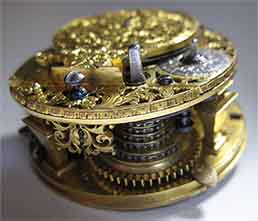
István’s life flowed calmly, without rush; there were no clocks in his home. Hence, the language of fluid forms is used, with smooth transitions between elements. Each element symbolically reflects István’s image. The figure itself is realistic.

City and Society

How does the project fit into the existing urban environment?

It creates a connecting point between the building, street, and intersection, forming a place of pause and attention. Form, scale, and material correspond with the architectural context of the square.

Why is the project located here?

For many reasons: the open square is at a busy intersection, accessible by pedestrian and bus routes; across the street is the historical former gymnasium building, potentially a public facility.

Is this a public space?

Legally — no. It remains private property. Perception and use — yes. The space is consciously open, accessible, and integrated into the urban fabric.

Is commercial use planned?

No. Istvan Sky Square is designed as a cultural and public space. The project does not aim to generate profit.

Why not use a cheaper or temporary solution?

Because the goal is durable quality and responsible treatment of space. The project was never meant to be temporary. Memorial spaces require materials and solutions designed to last decades. Saving by making it temporary would contradict the project’s core idea.

Will the project change over time?

More likely not than yes. Minor additions may occur, but the integrity of the concept will be preserved.

Personal Trace

Can a personal trace be left in the work itself?

Yes. The sun composition includes separate diamond-shaped elements that can be individually designed. They should complement the artistic concept rather than serve as plaques or signatures.

What can be depicted in these elements?

Symbols, abstract motifs, or images linked to personal stories, memories, or a connection to István. Decisions are made in dialogue with the author and conform to the project’s artistic language.

Is this advertising or name memorialization?

No. The project deliberately avoids names, logos, or direct references. It is about quiet presence and personal memory.

Does this depend on the level of support?

Yes. Individual artistic design of elements is possible within the framework of significant contributions to the project. Specific forms are discussed individually.

Interaction

Can one sit, touch, or interact?

Yes. Touch and physical interaction are central. The bench, figure, and space are designed for a person to be inside the composition — physically and emotionally.

Can one hug the figure of István Sky?

Yes. This is a deliberate artistic choice. The figure is not separated, elevated, or protected by distance. Hugging is a form of dialogue and participation.

How does the project relate to vandalism and signs of use?

Signs of touch, time, and presence are not concealed. They are considered part of the artwork’s life.

11. Frequently Asked “Informal” Question

Why is this needed?

We believe it is needed not only by us, who love István and value his work. The sculptural composition and the aesthetics of this space can attract passersby, spark curiosity, invite people to sit, reflect, and engage with István’s work and its meanings. Additionally, this memorial will improve the intersection, give it a cultural appearance, and provide a place in the city where one can simply be.

12. Criticism Questions

Why is it so expensive?

Because quality, materials, and durability come at a cost.

Why not simpler?

Because the goal is not merely to make it simple or complex, but to make it beautiful, cozy, meaningful, and aesthetically pleasing.

Why not faster?

We work every day to make it faster.

Who actually needs this project?

It is for those who care about the surrounding world, who want to see it kinder and more beautiful, and who want more than just a wooden bench.

Why doesn’t this solve “more important” city problems?

“More important” city problems are beyond our competence.

Memory

István Jeszenszky (Istvan Sky) in a turquoise shirt, with green trees and the sky in the background. Portrait. 2007.

We hope that Istvan will live not only in our memory, but also in this warm and peaceful place.

Invitation

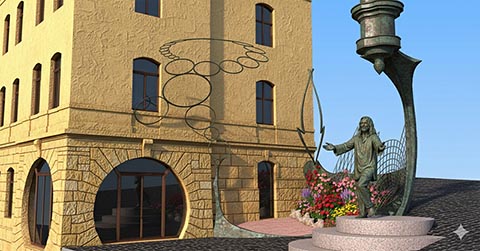
The 'Istvandukt' sculptural composition at Istvanplatz in Greiz. View of the memorial set against the building. 3D model.

If this project resonates with you, we invite you to share your thoughts, ideas, and suggestions.

Signature Collection

We are collecting signatures to help accelerate this project.

The Istvanplatz memorial project faces several challenges. One of them is the presence of telephone distribution cabinets in front of the site, which need to be removed. Additionally, official permission is required to install the Istvandukt memorial. To address these issues, various authorities must be contacted. We believe that public support can positively influence these decisions. Therefore, we invite all admirers of Istvan’s creativity and philosophy, his students and followers, to add their signature. You may use one of the prepared forms or a blank sheet. Signed sheets can be sent by post. This signature entails no obligation — it is only for the history of Istvanplatz. You may write in any language. Thank you for your participation!

Address:
István Sky Home in Germany
Obere Silberstrasse 35/37
D-07973 Greiz
Germany

#Istvanplatz Hungary
#Istvanplatz English
#Istvanplatz Deutsch
#Istvanplatz individual sheet
#Istvanplatz list sheet


Location of Istvanplatz

When loading the map, data is transmitted to Google Maps.