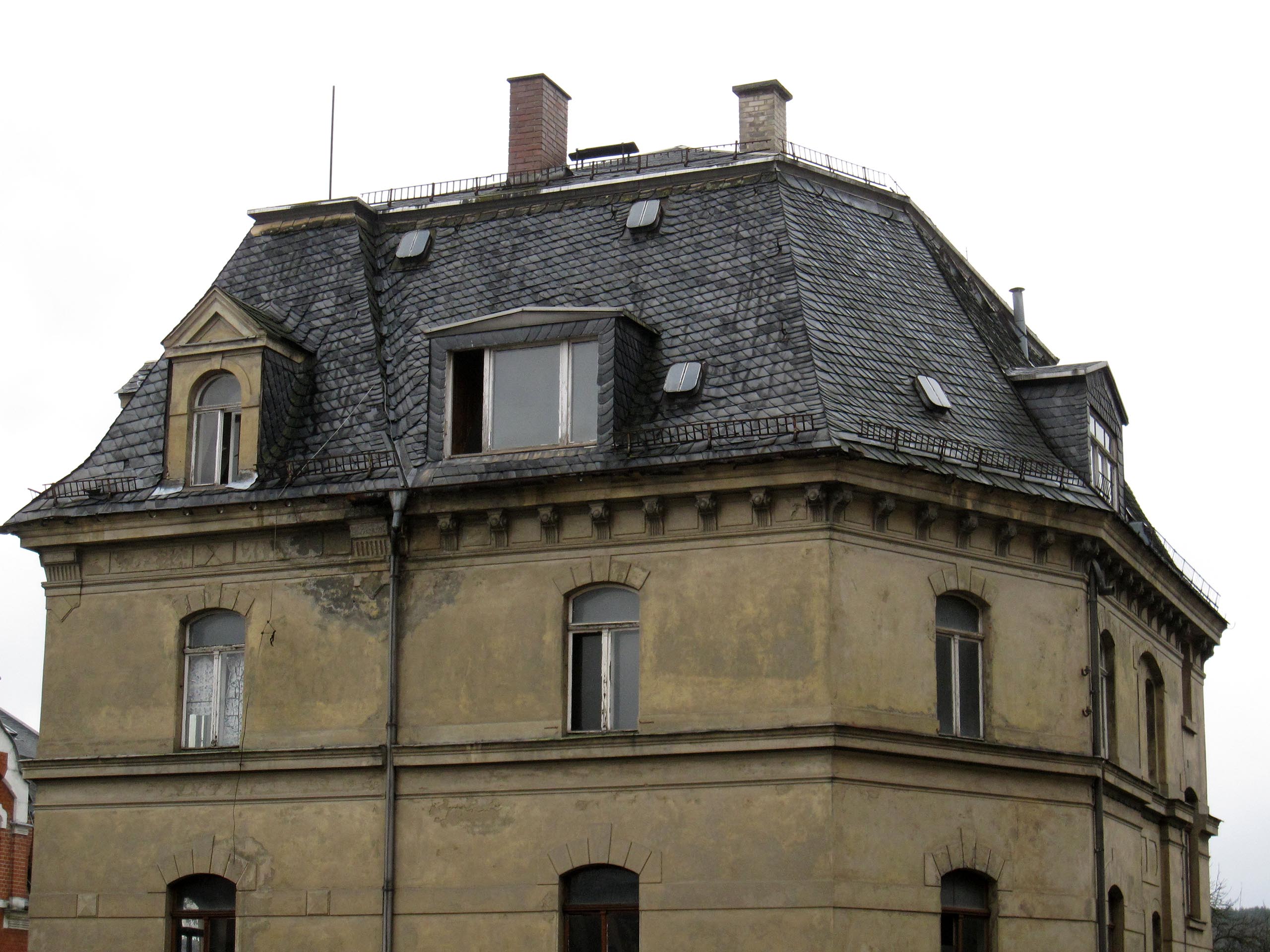
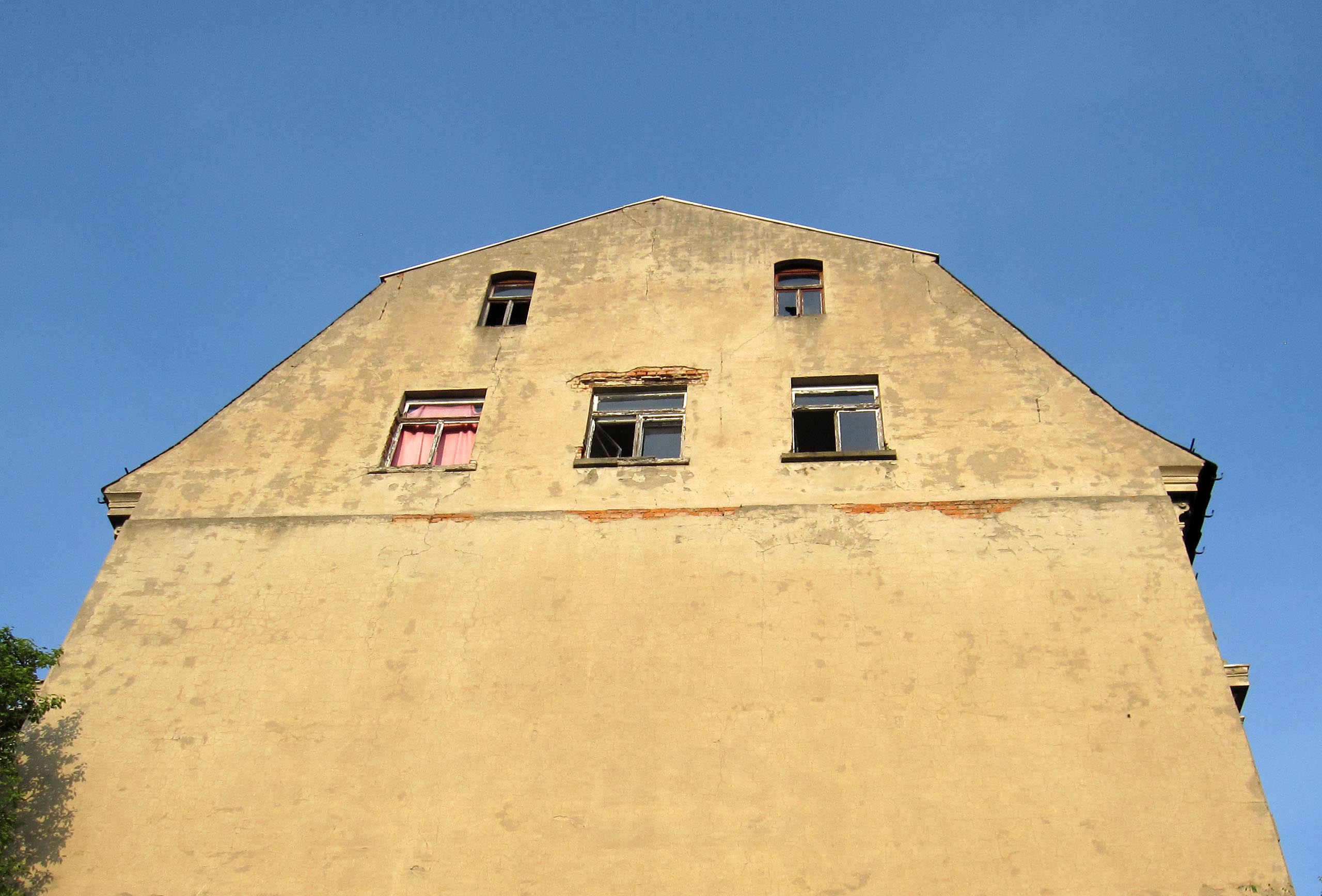
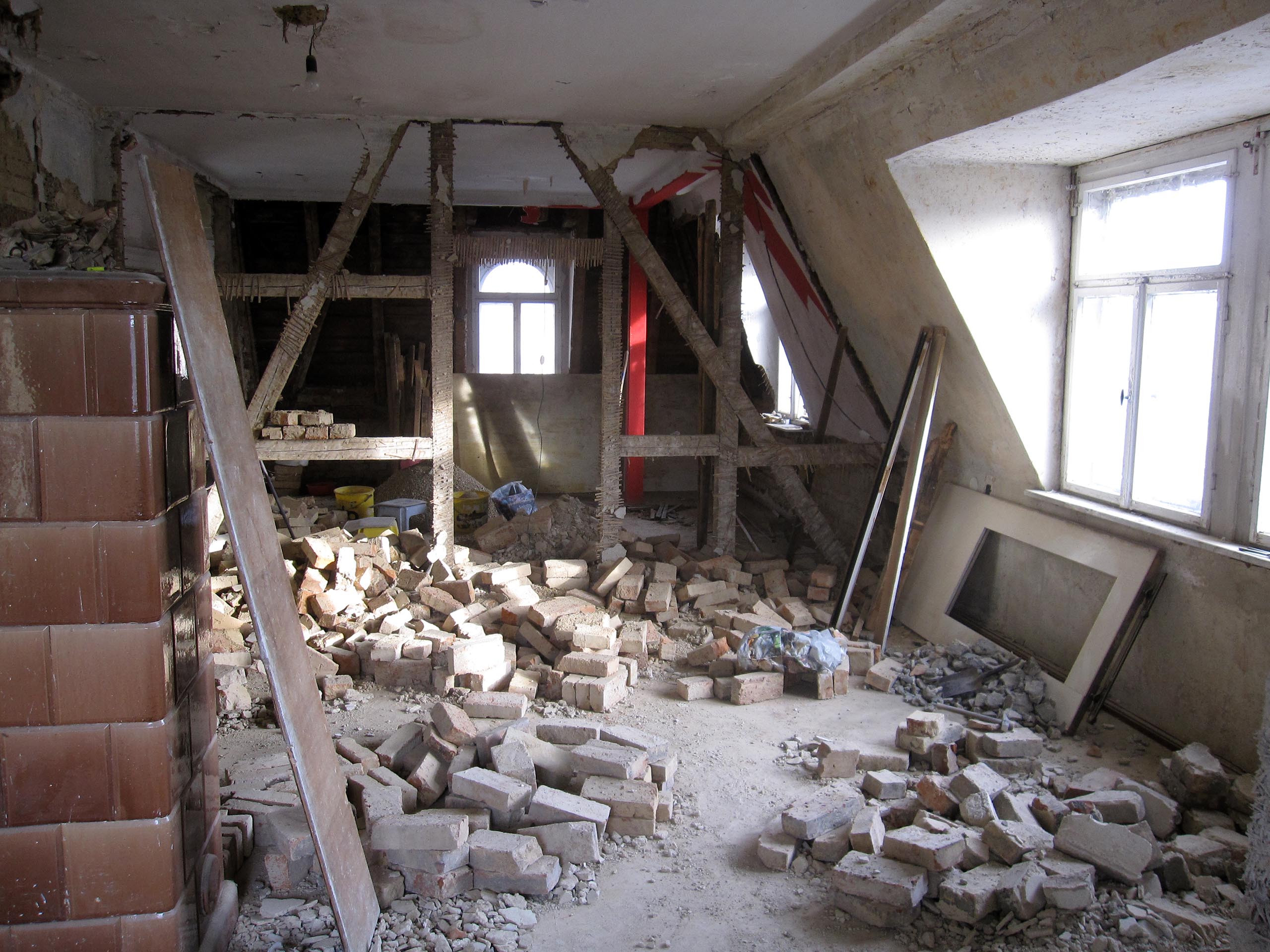
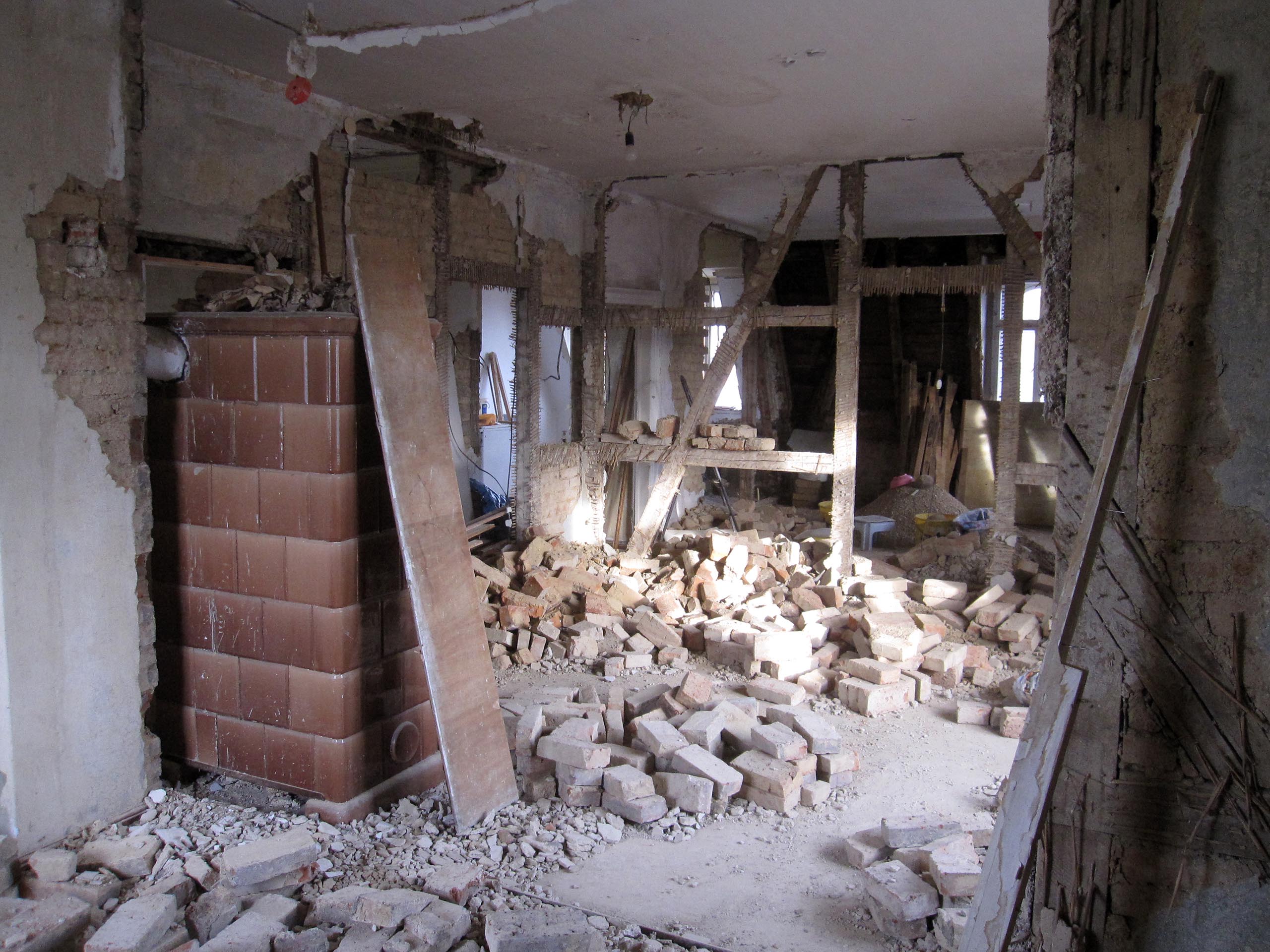
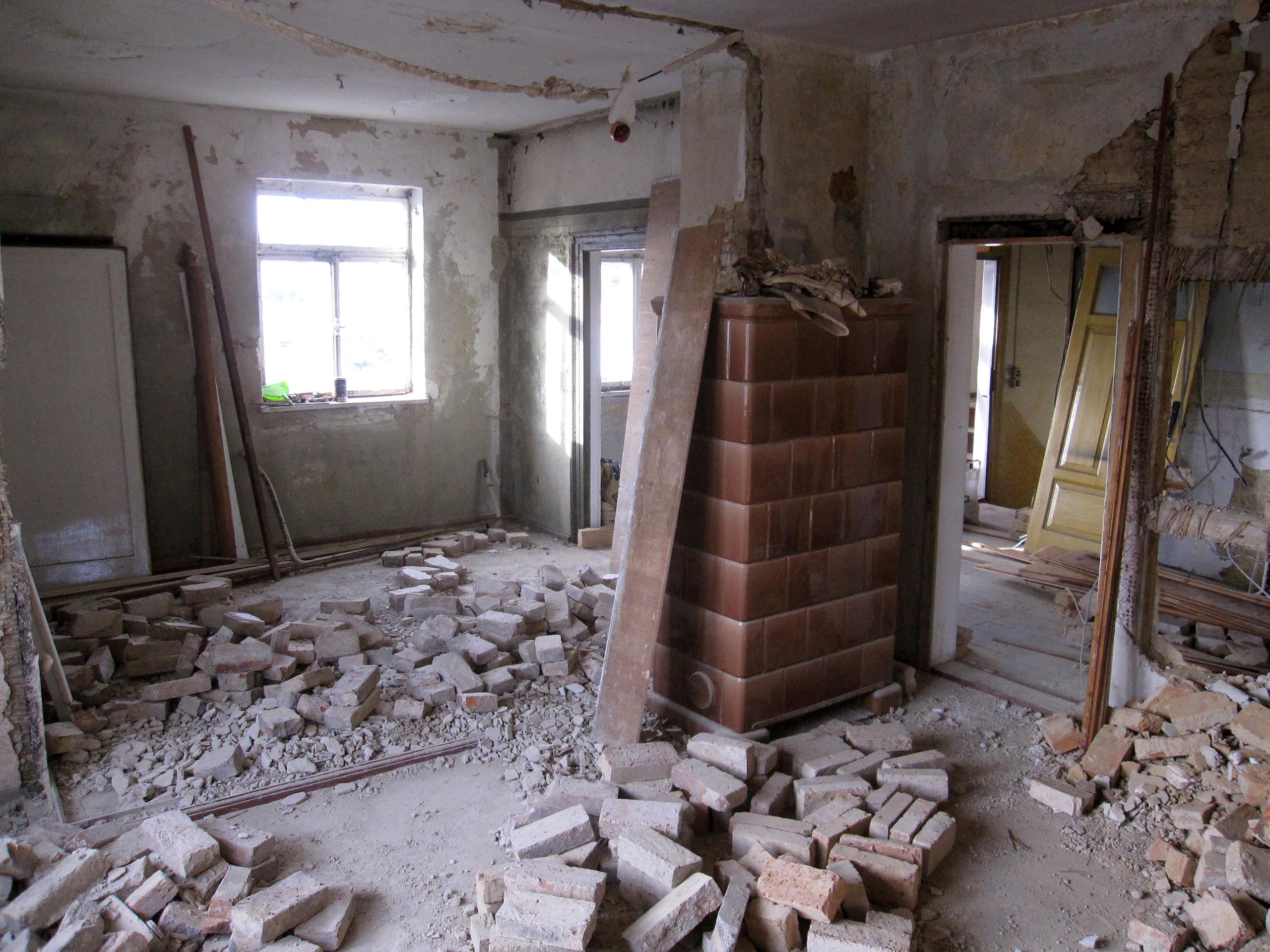
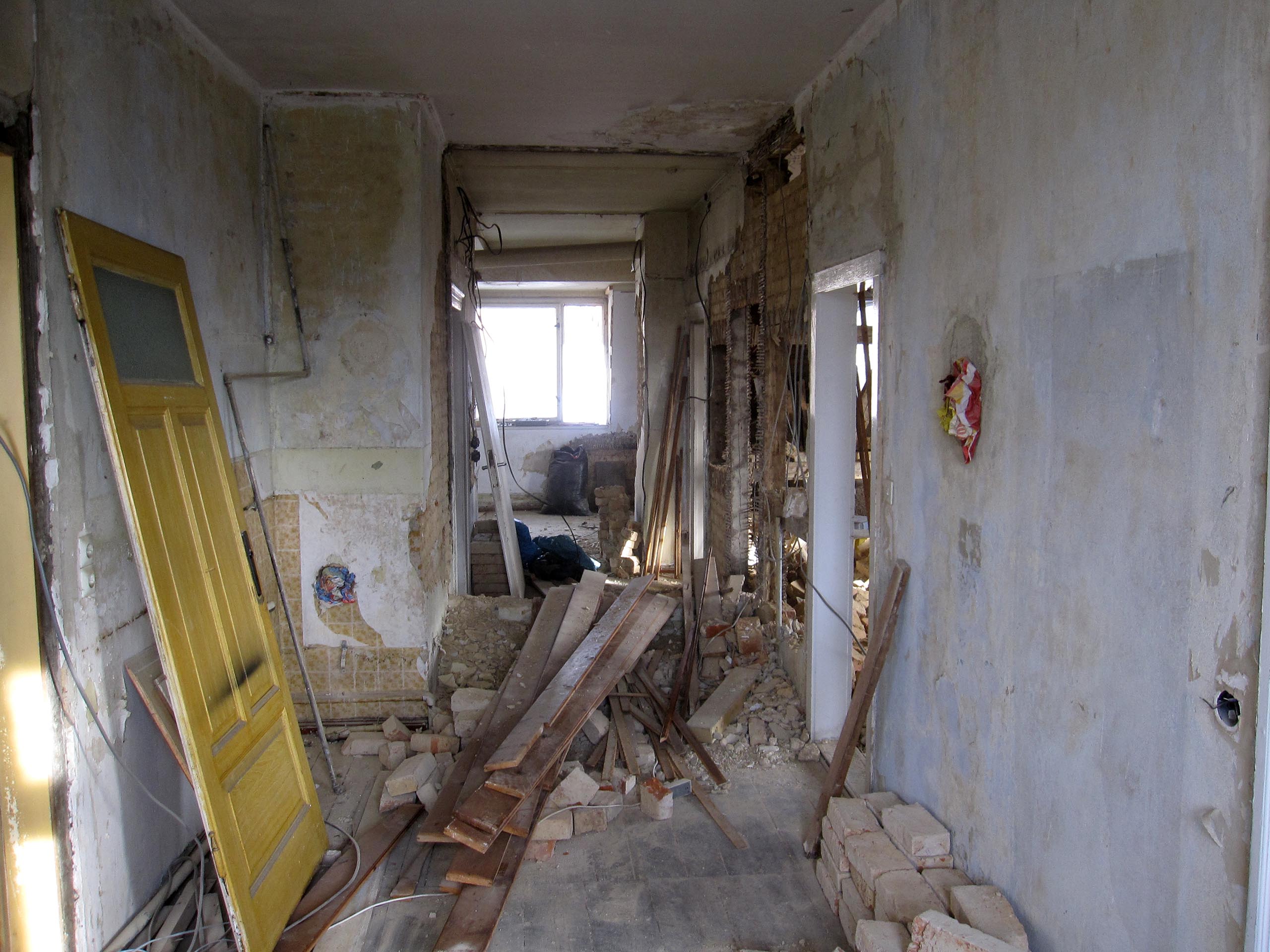
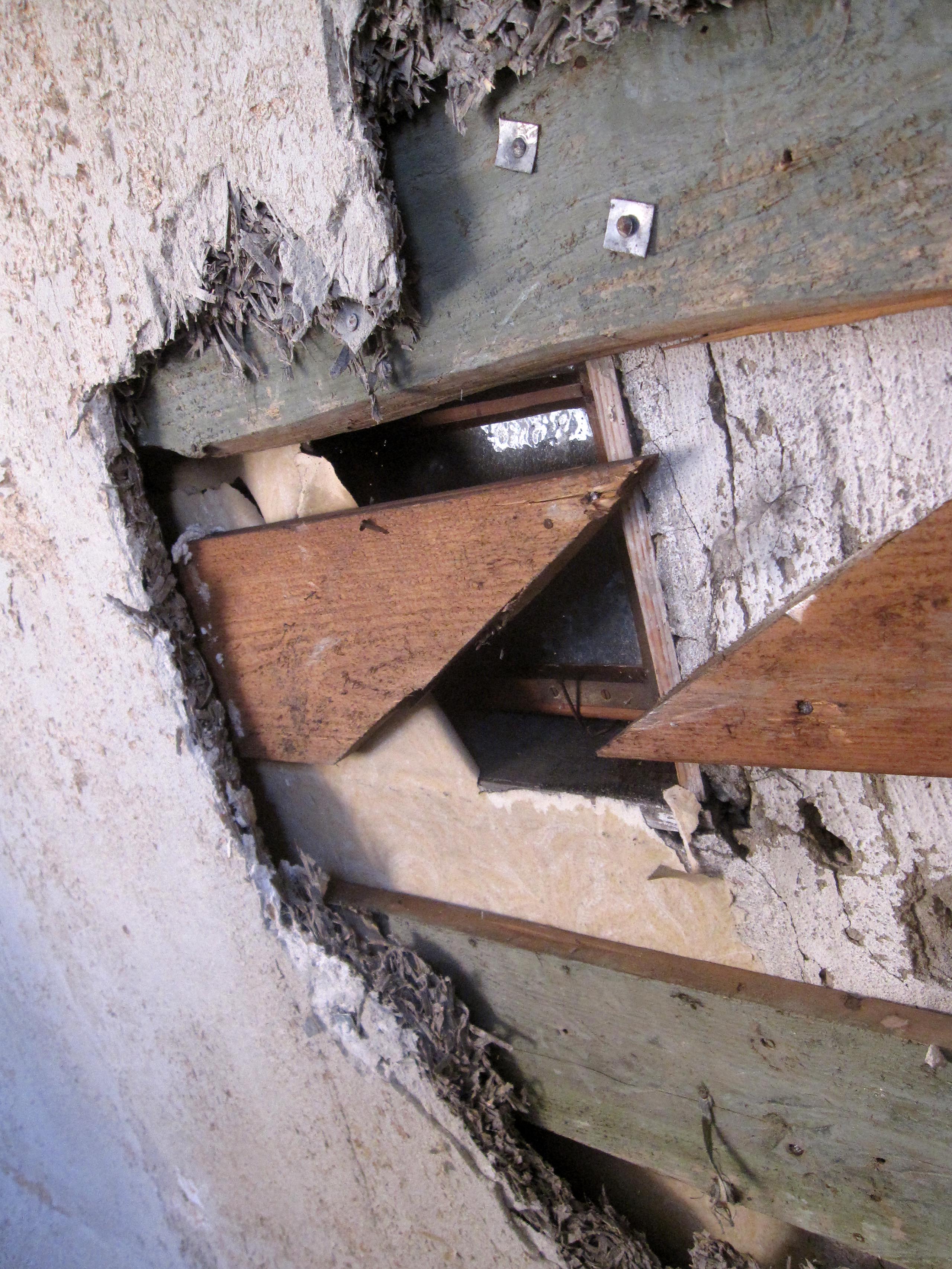
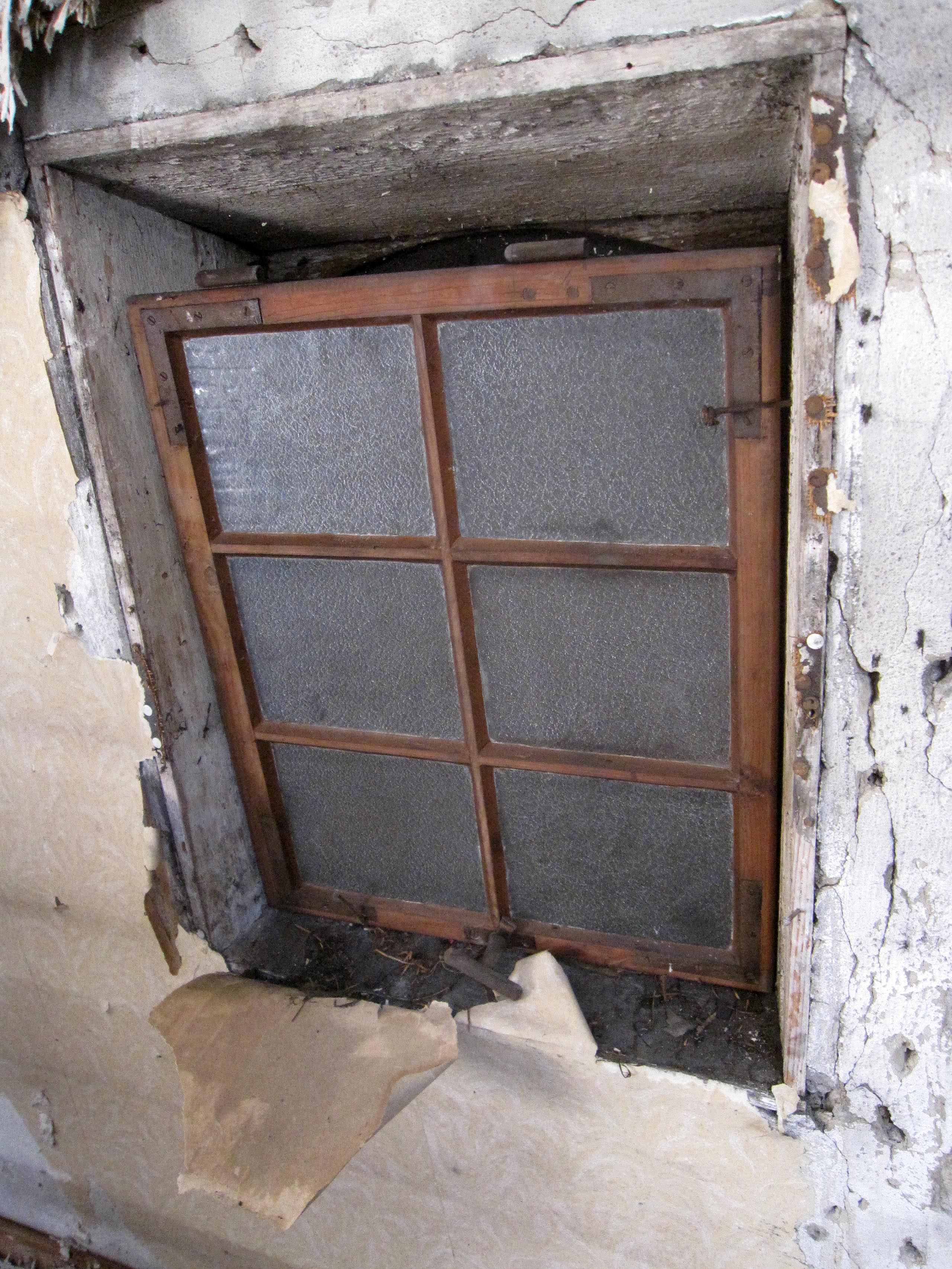
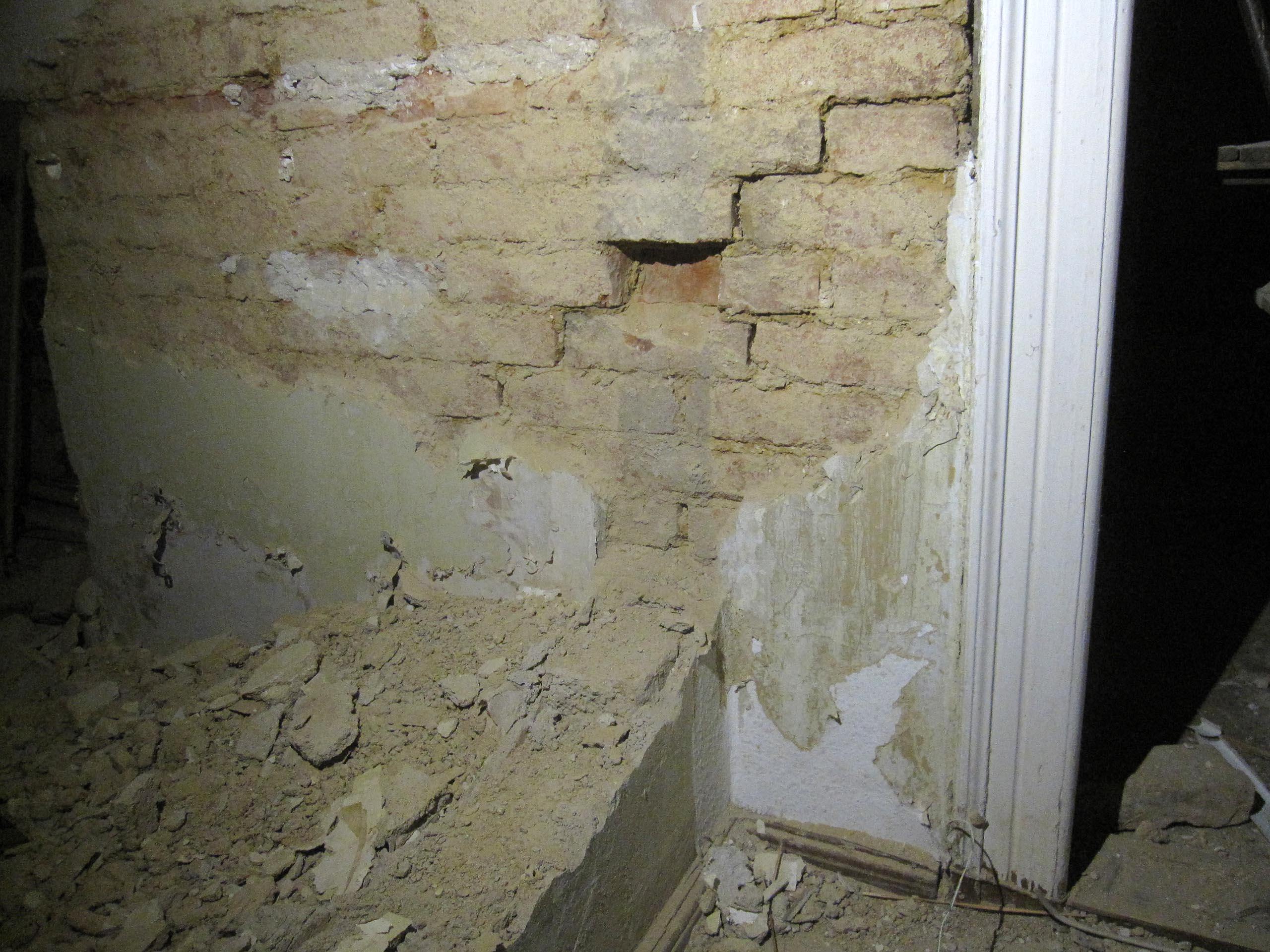
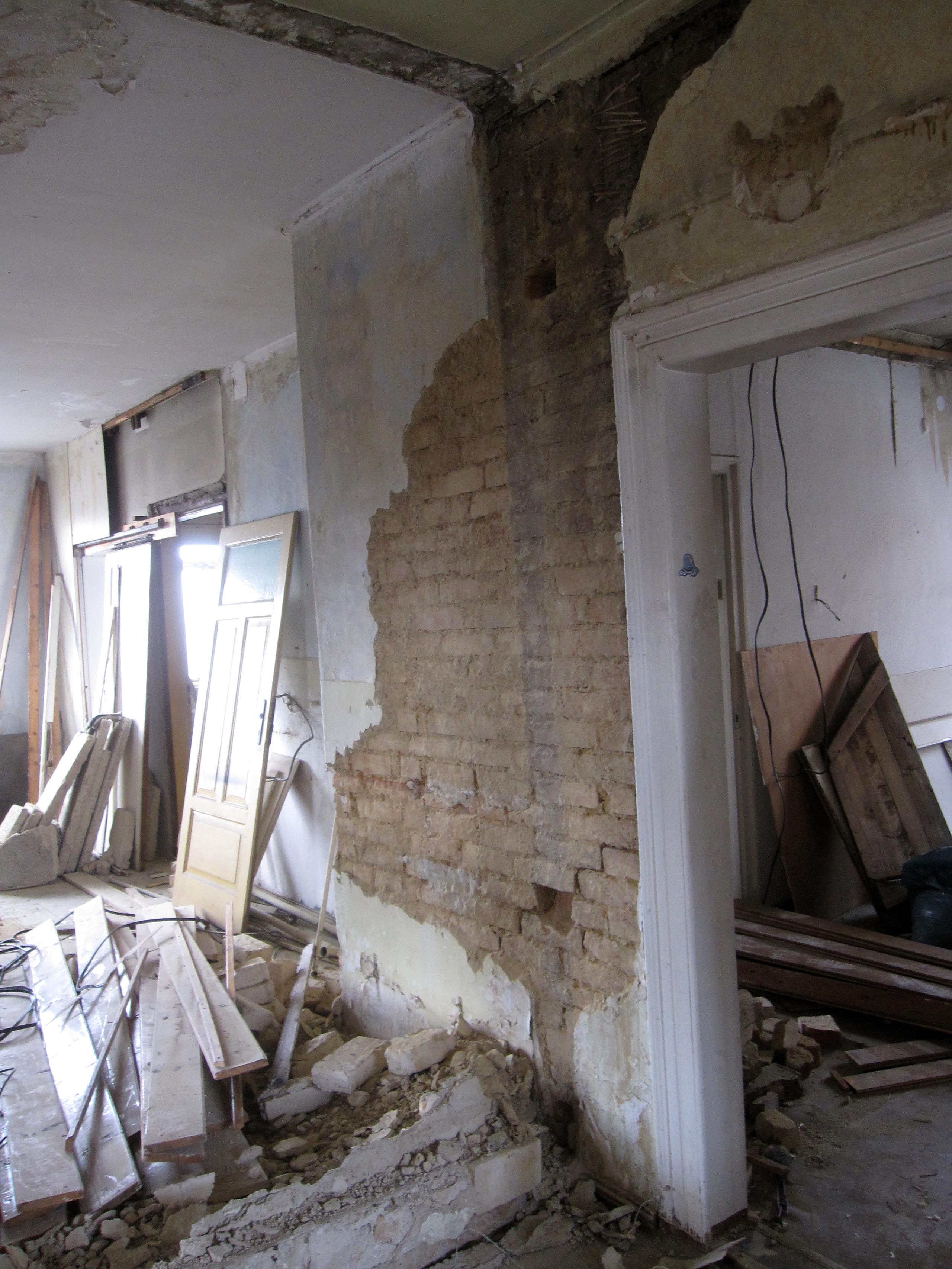
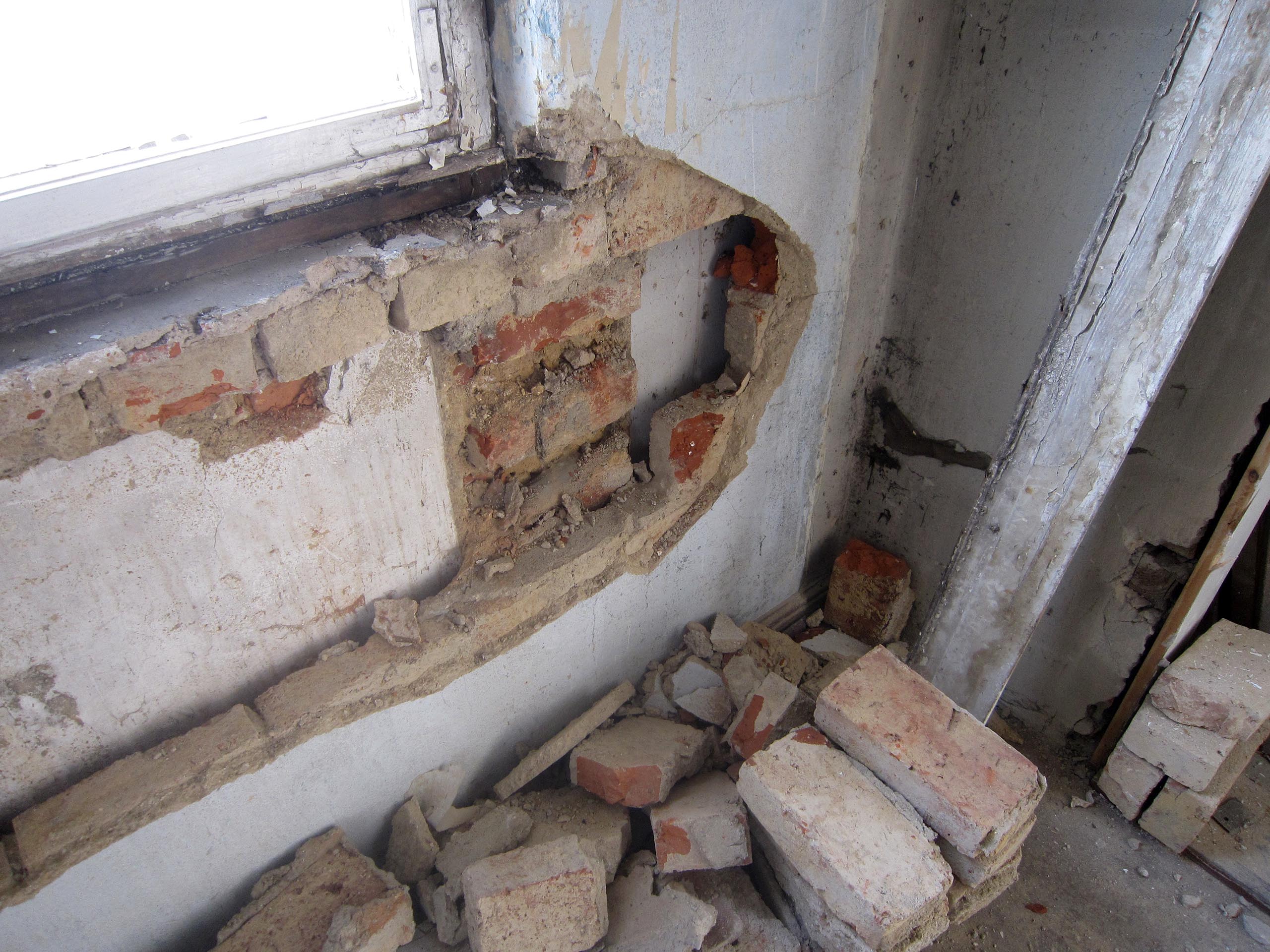
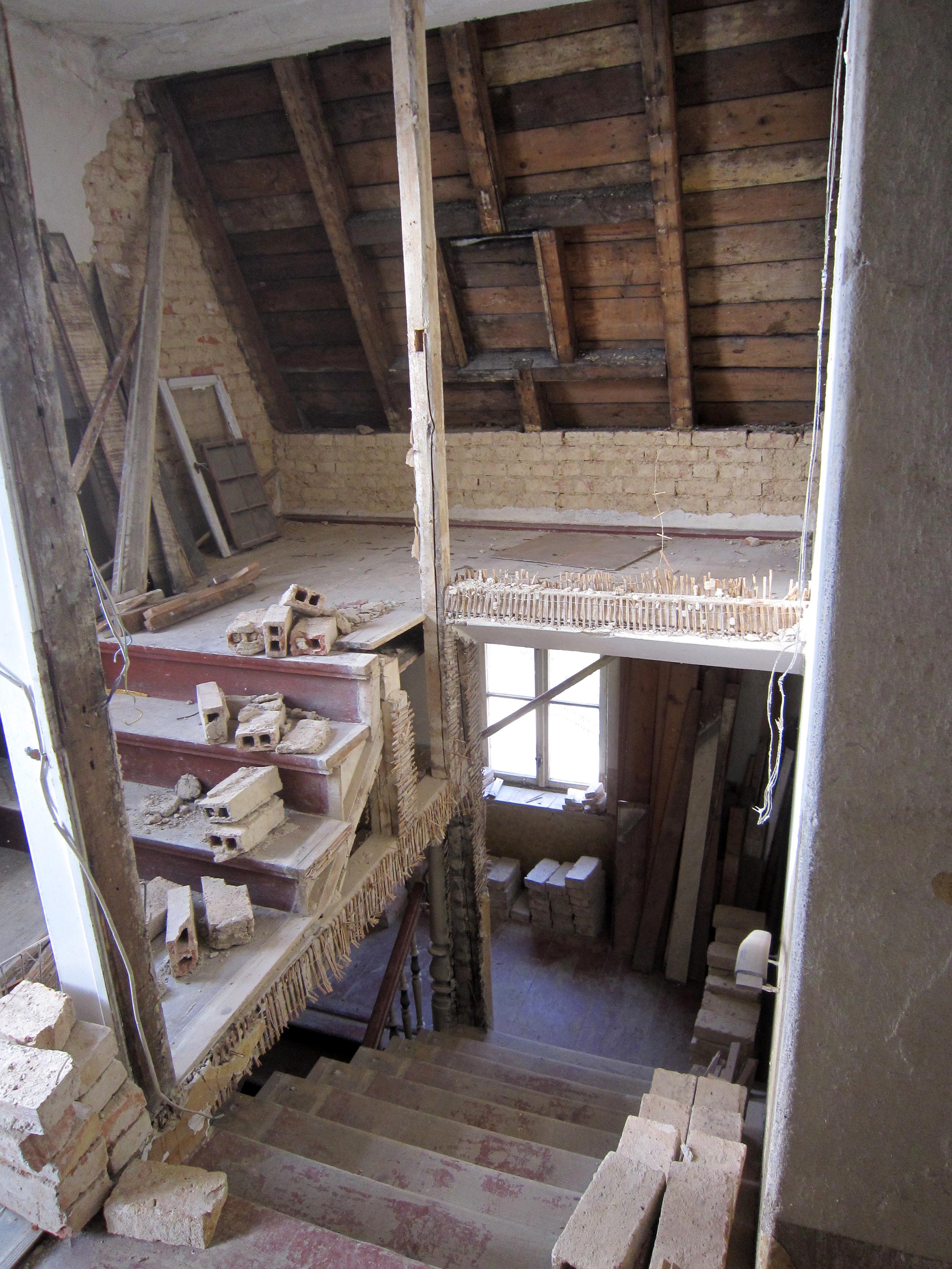
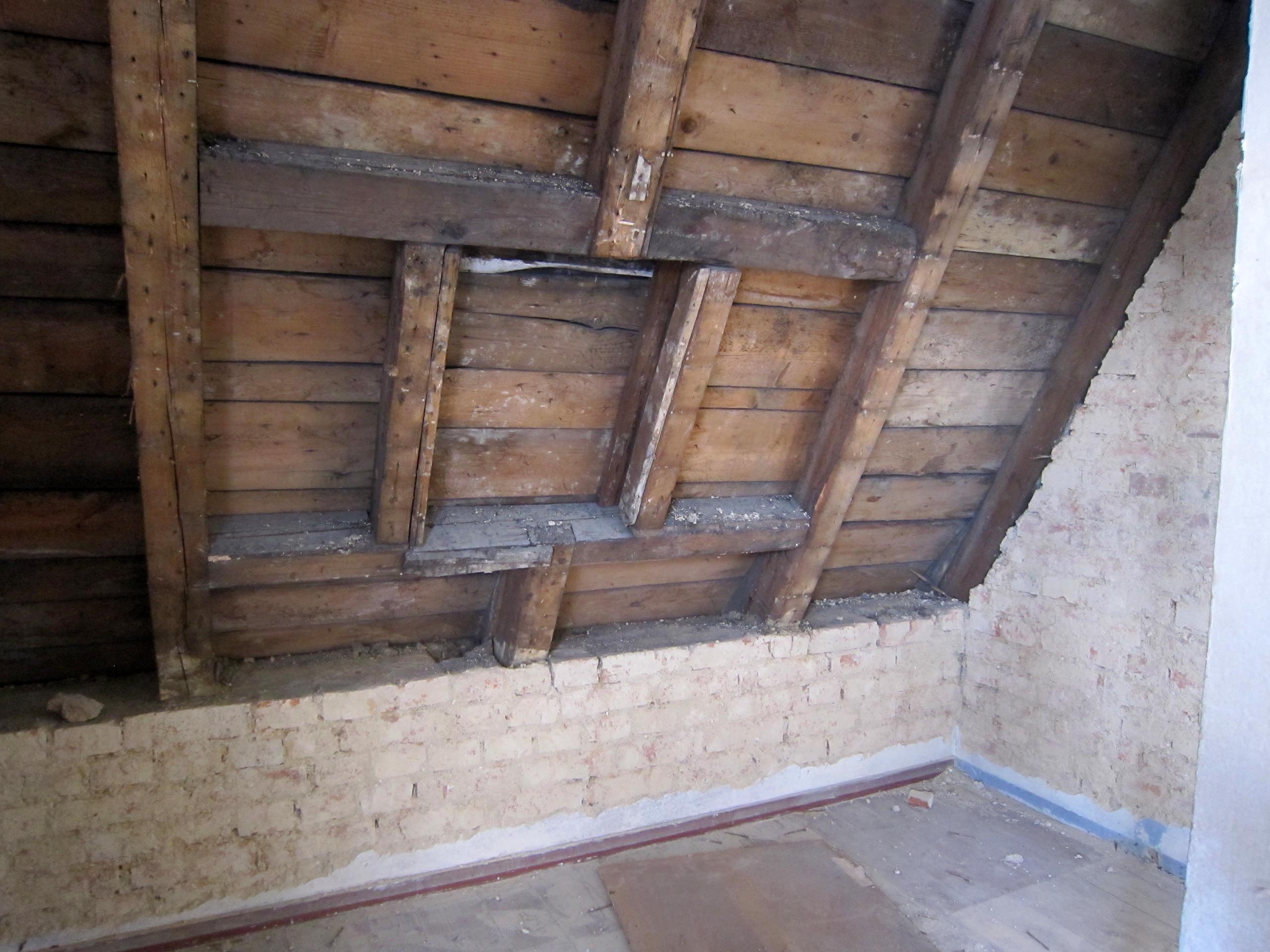
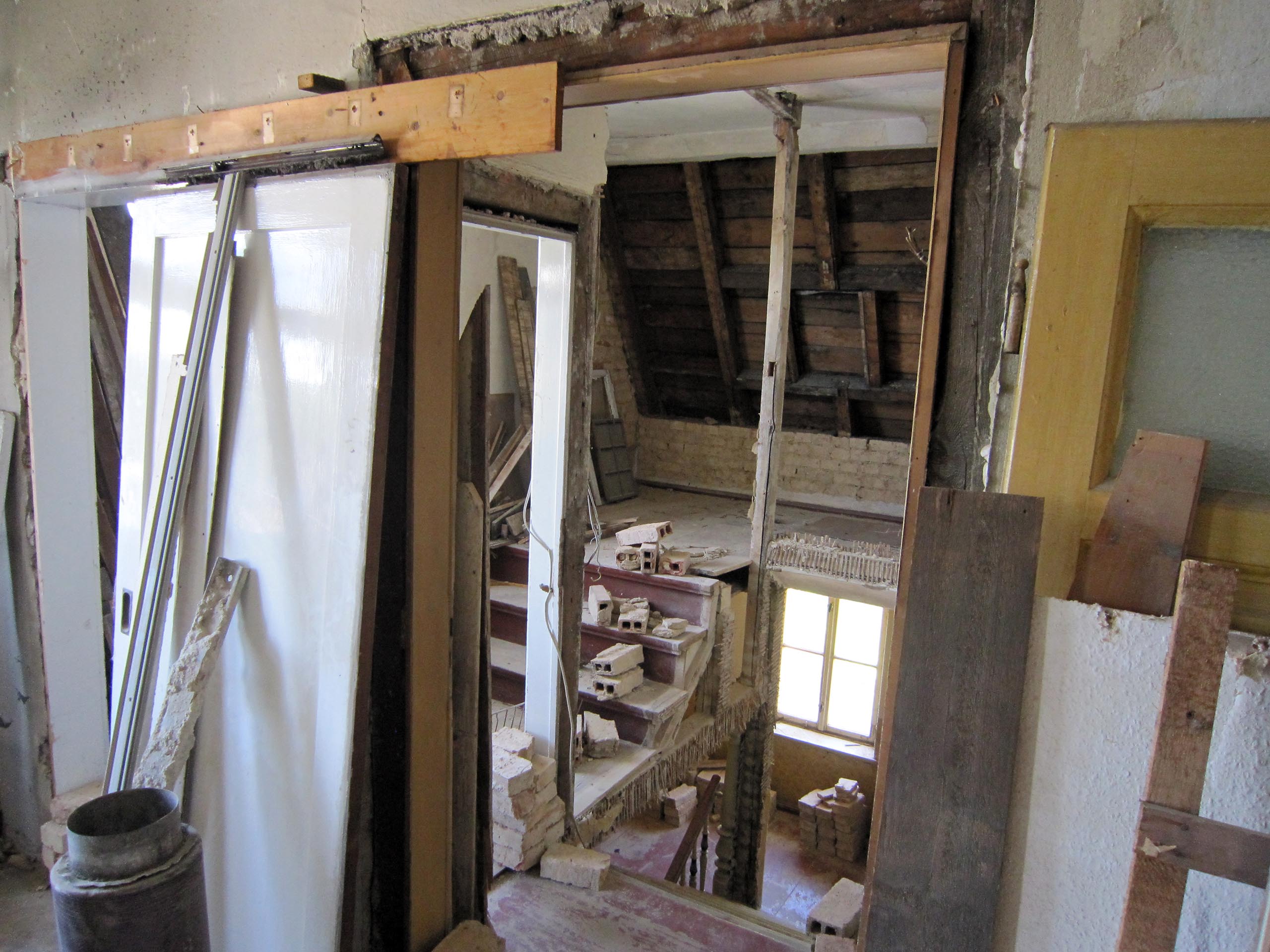
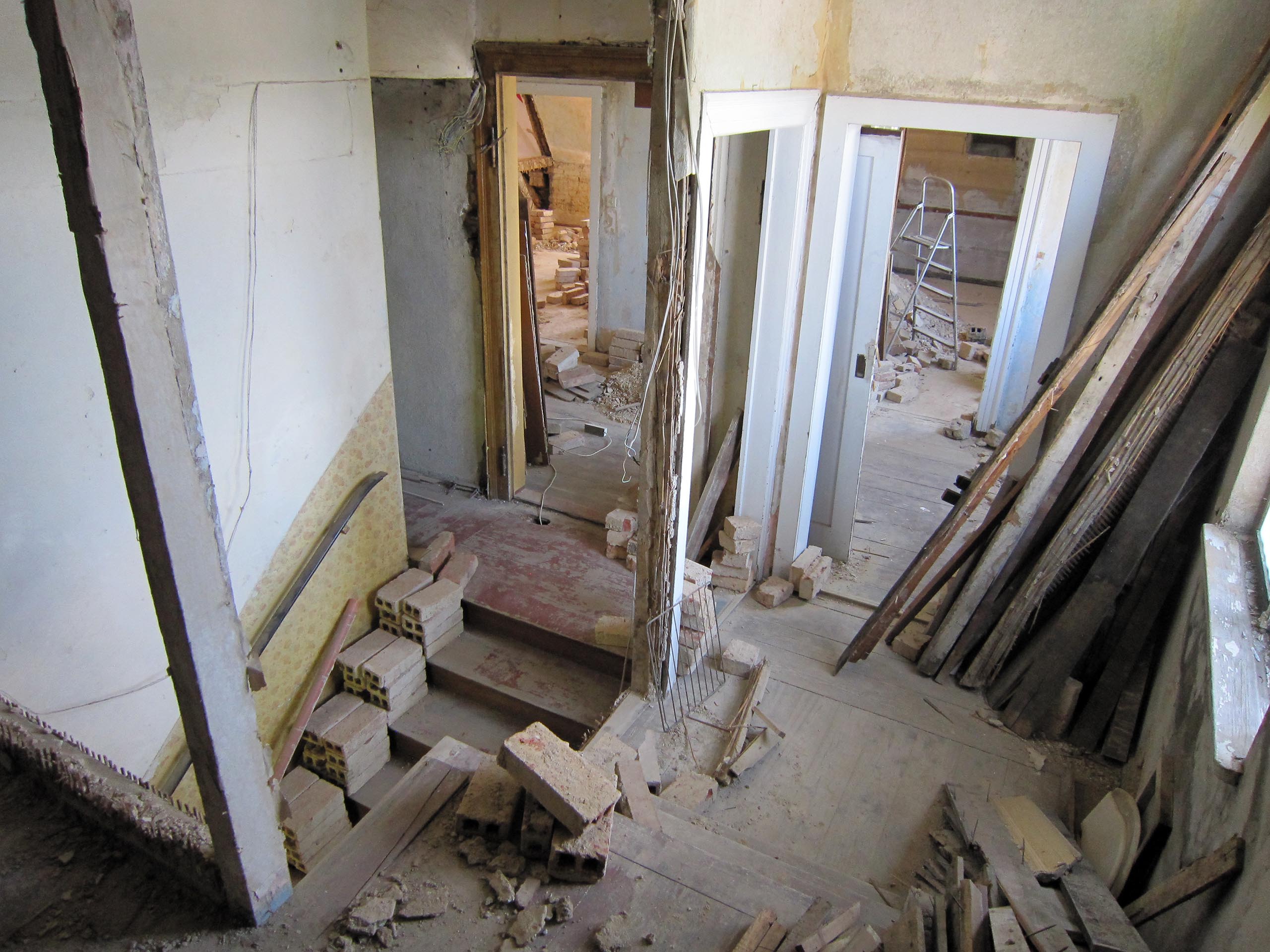
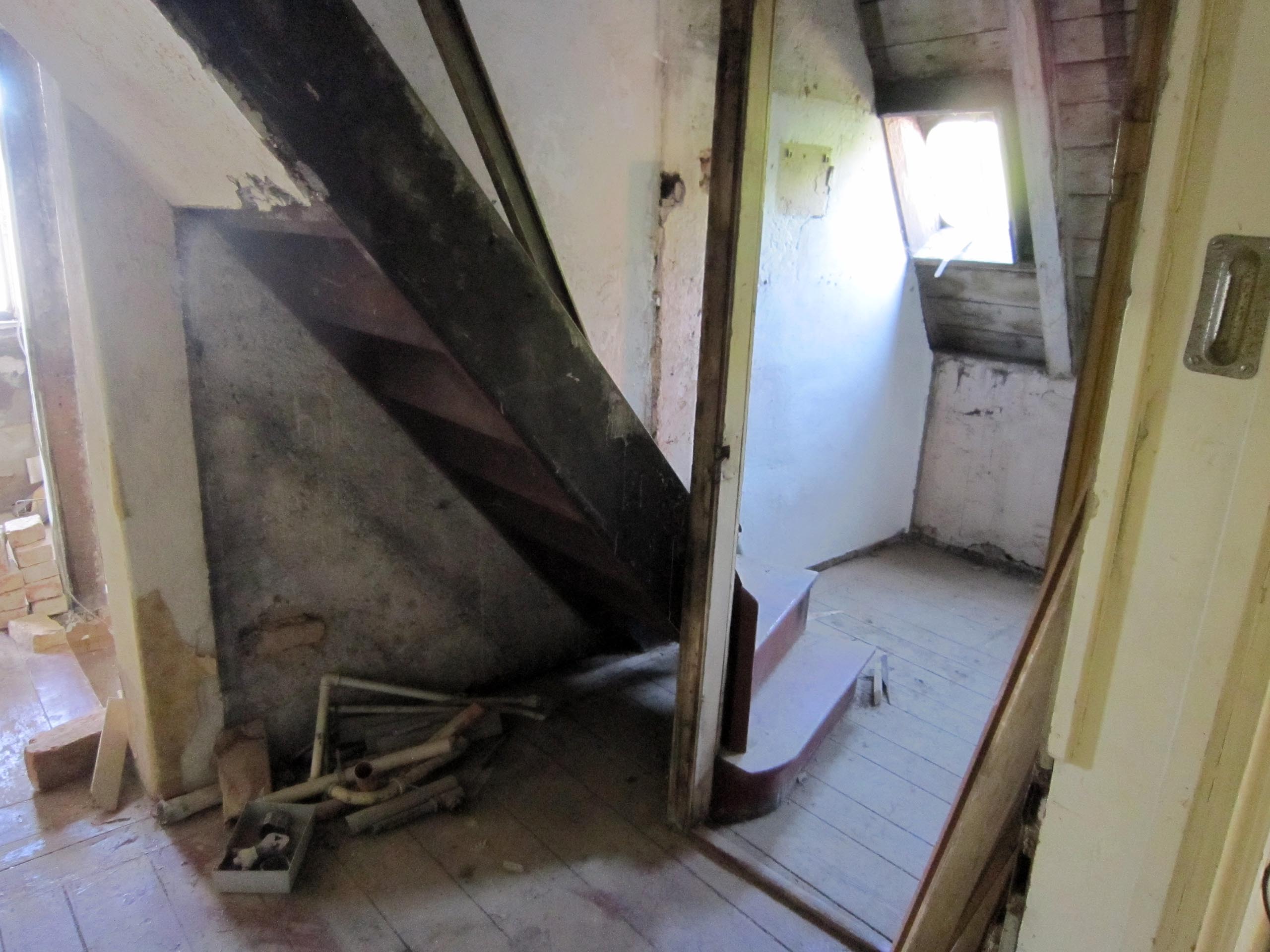
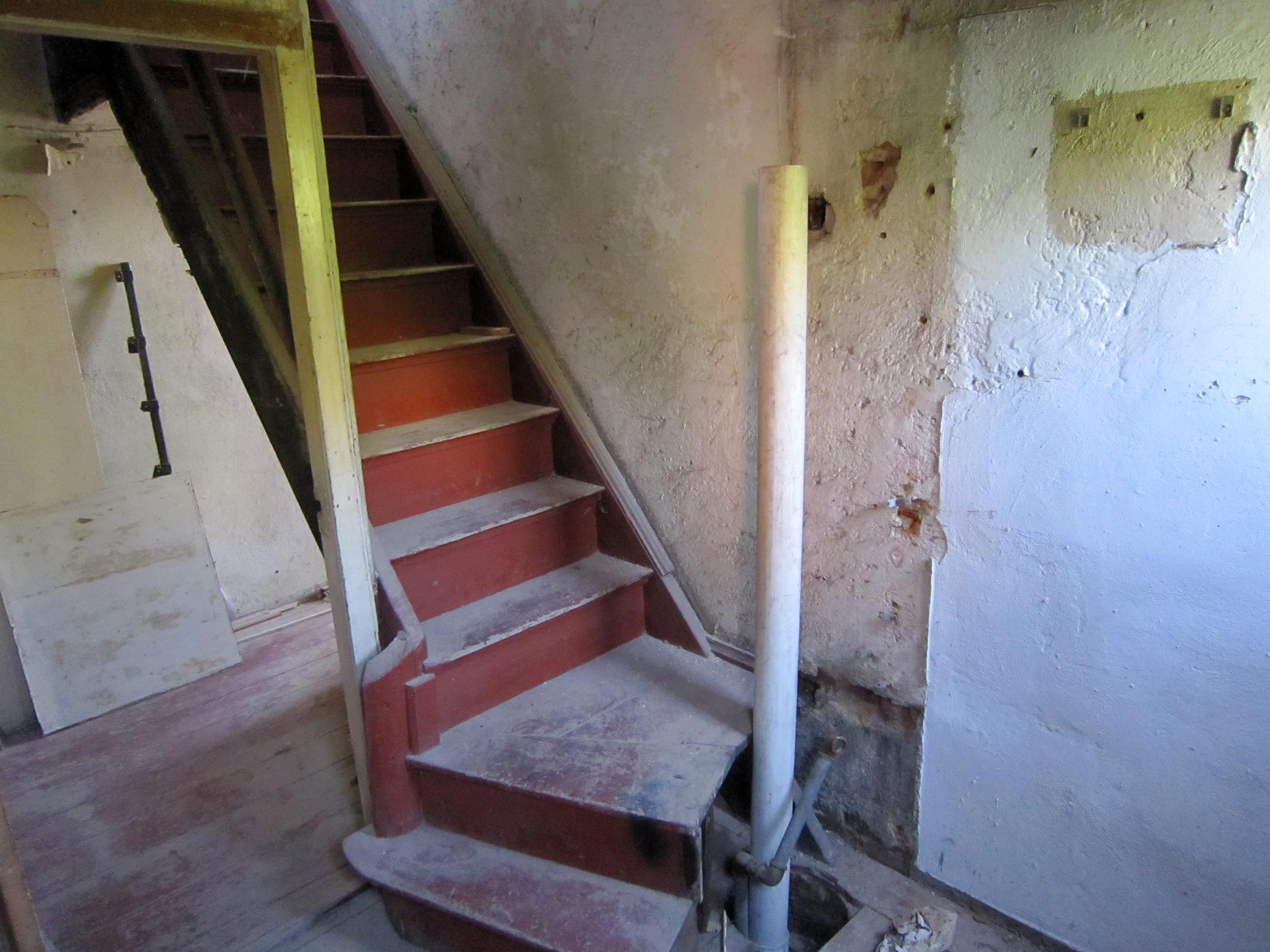
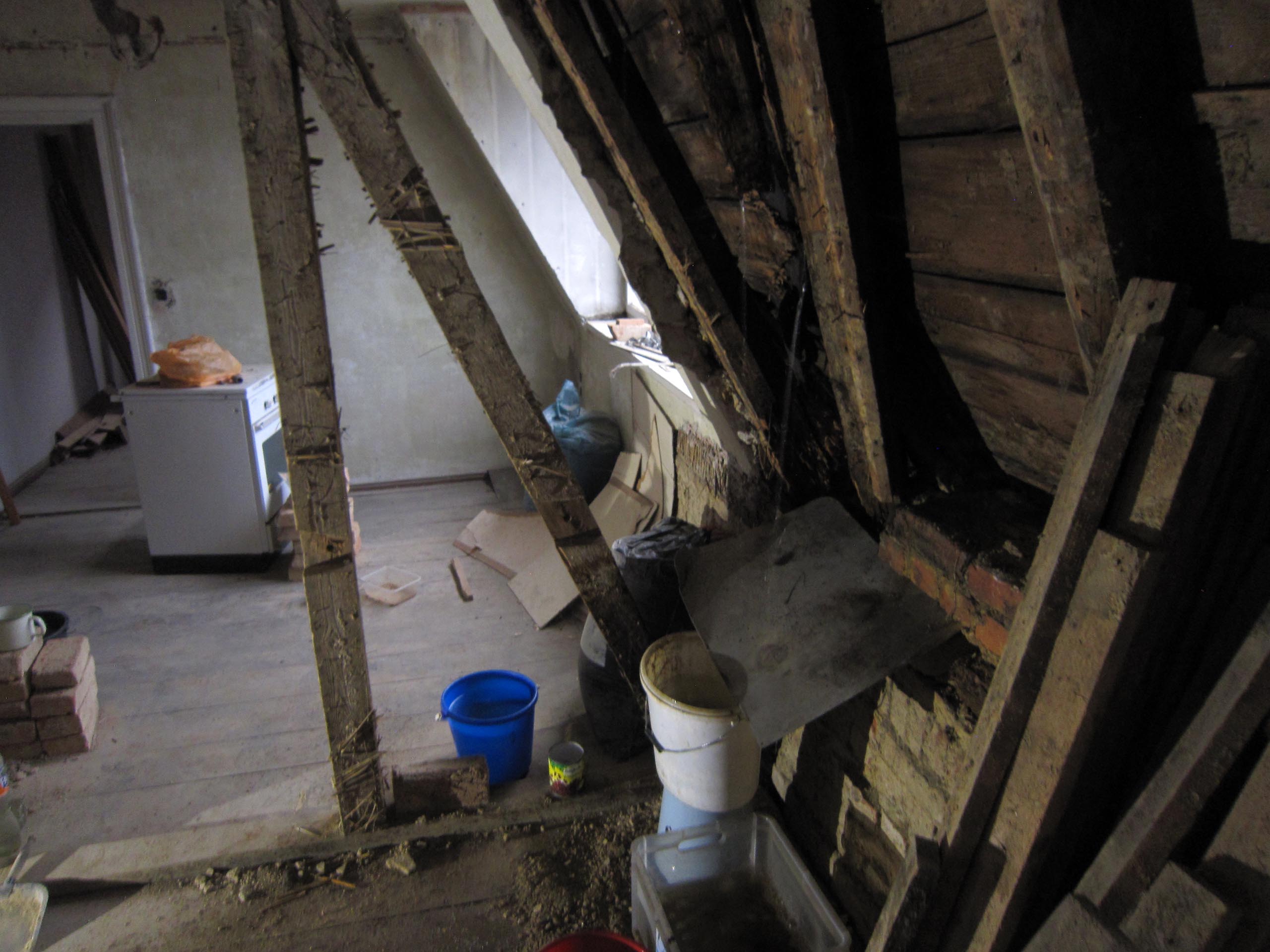
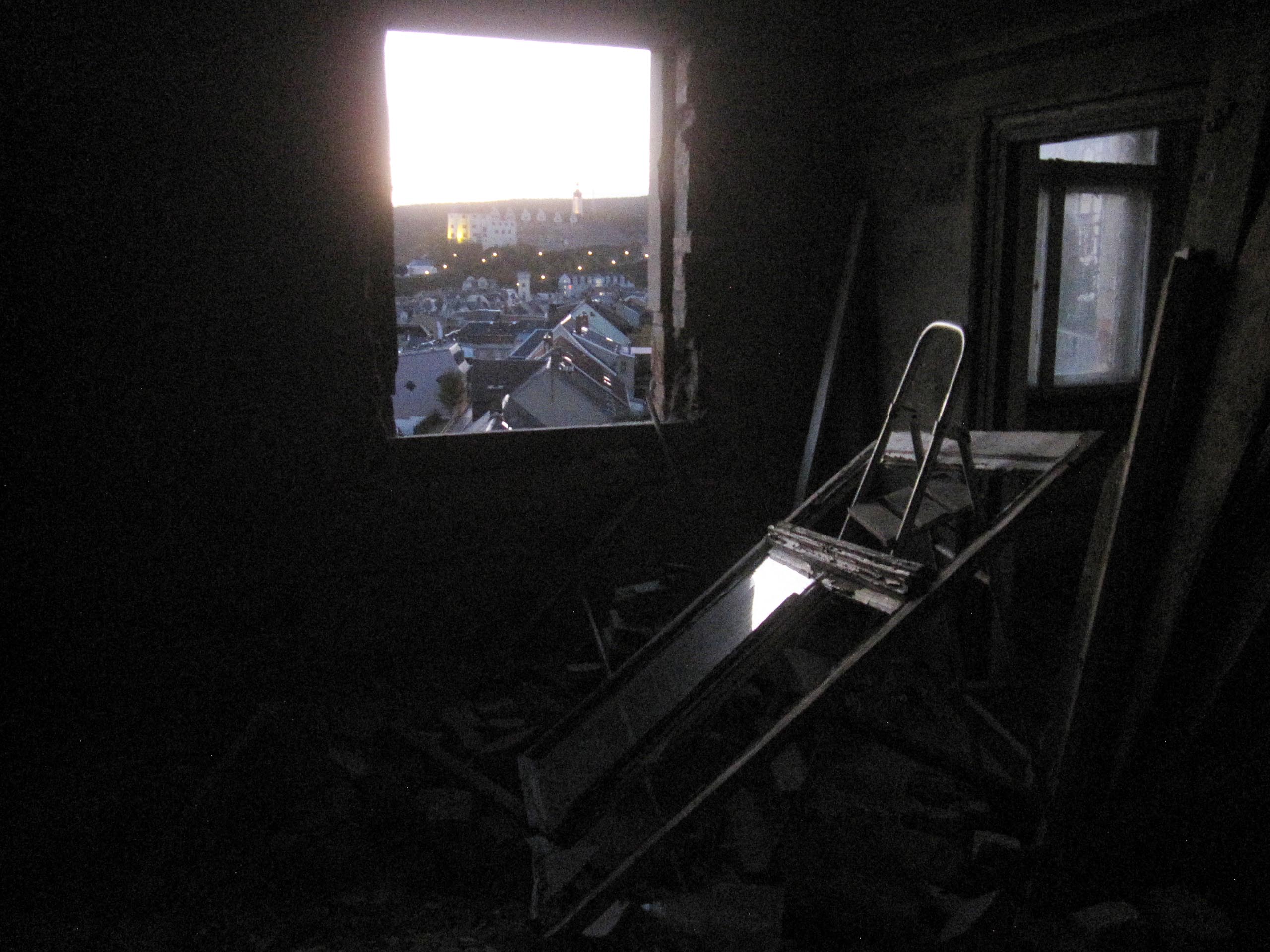
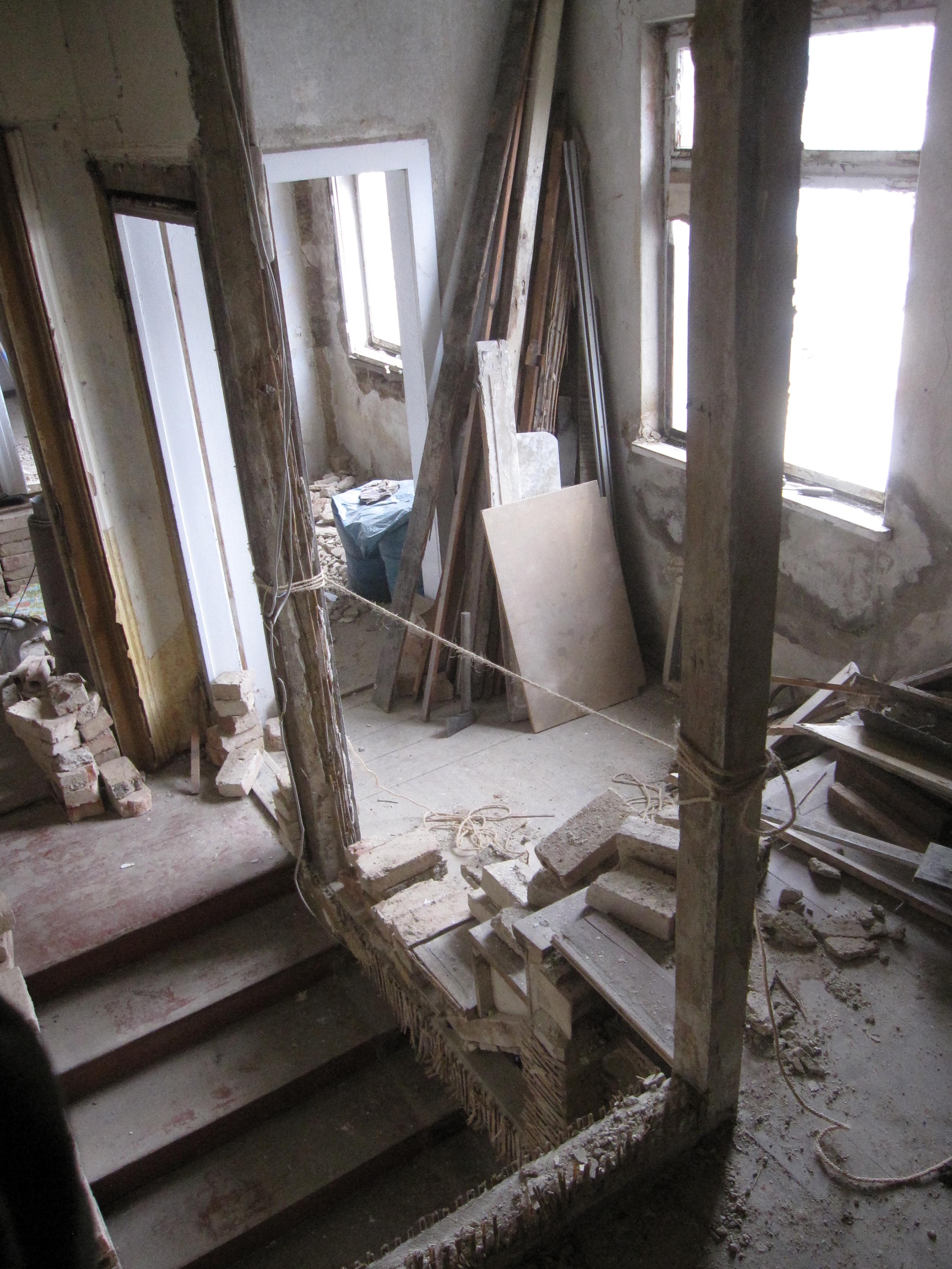
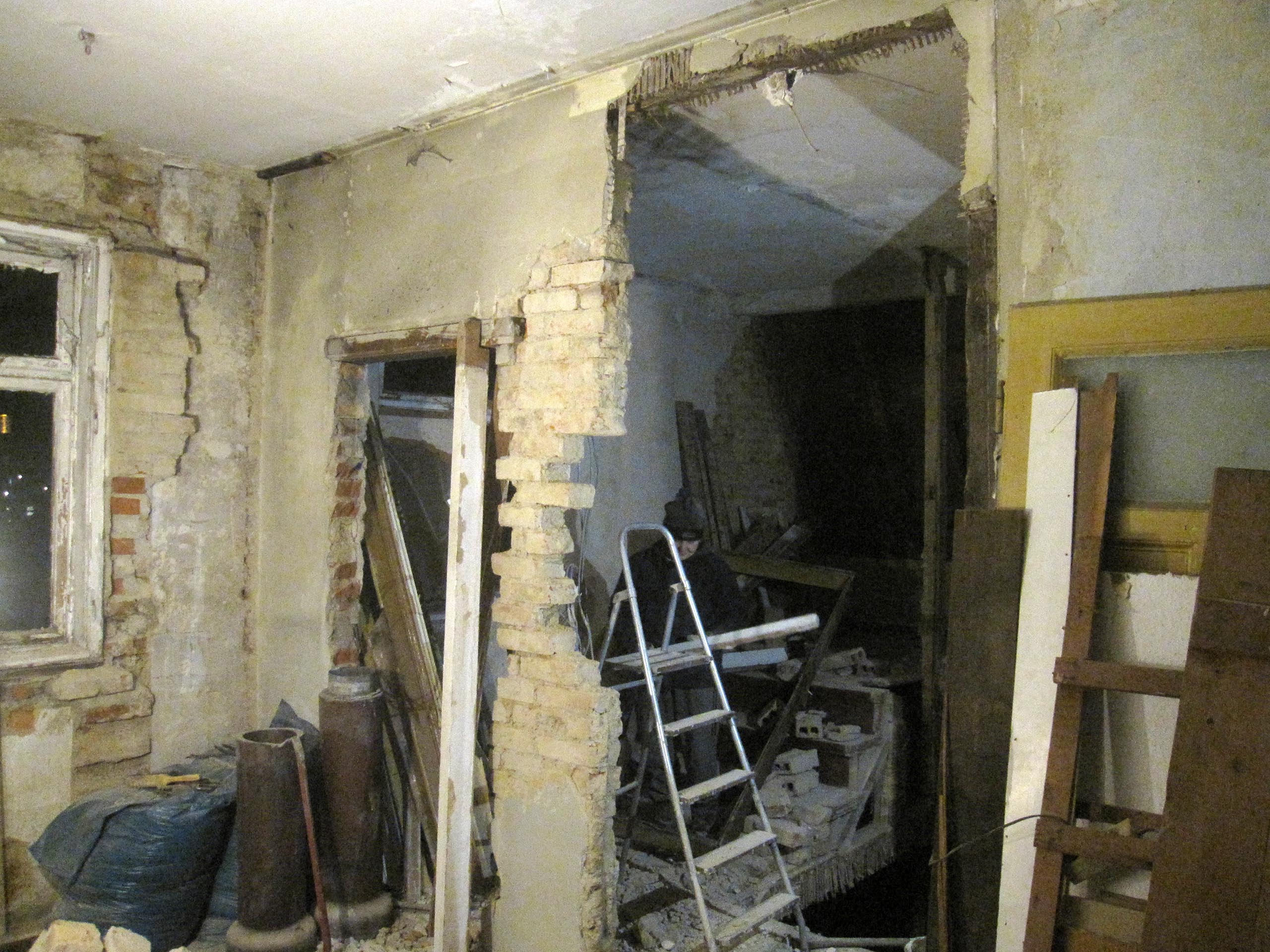
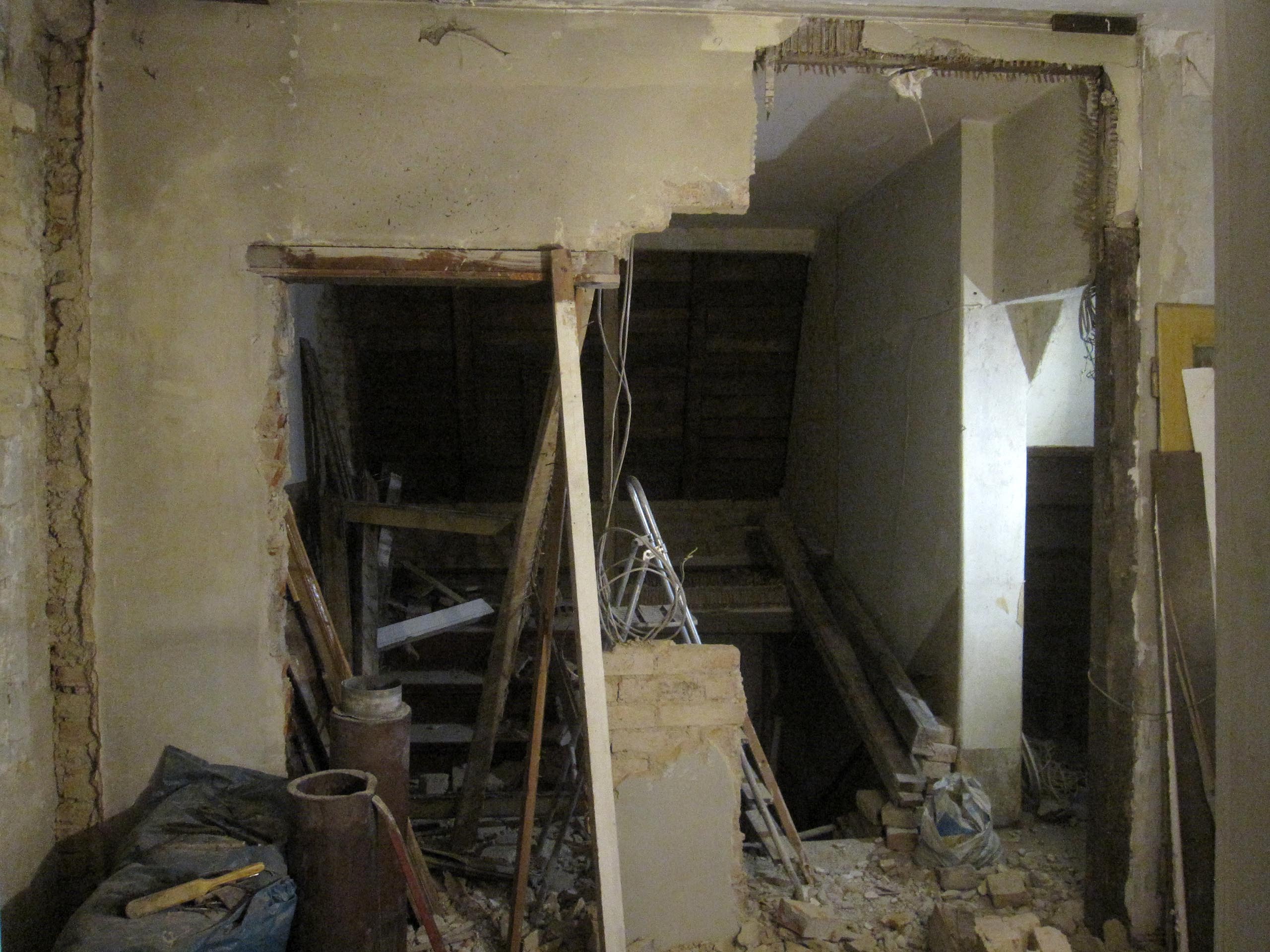
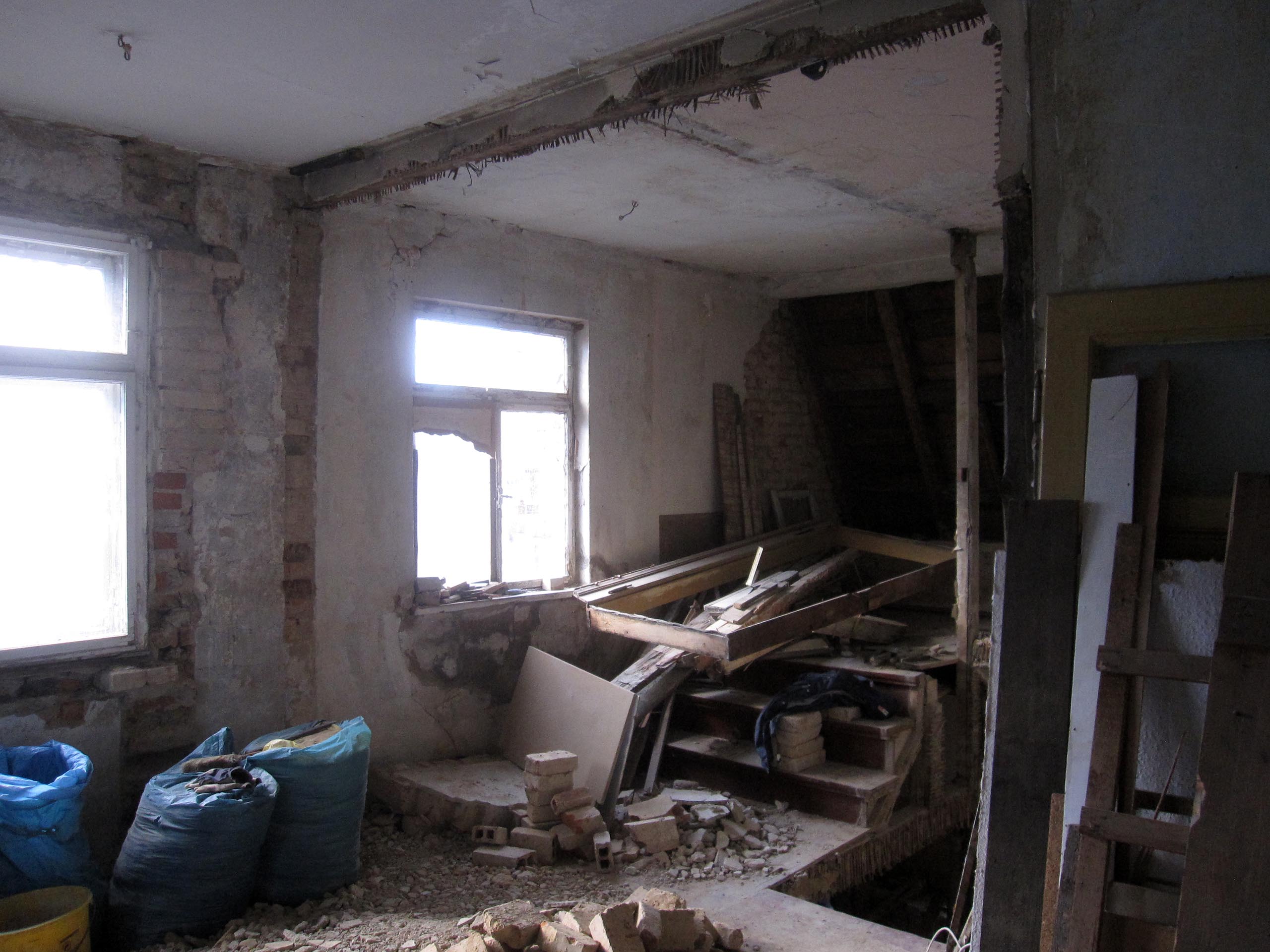
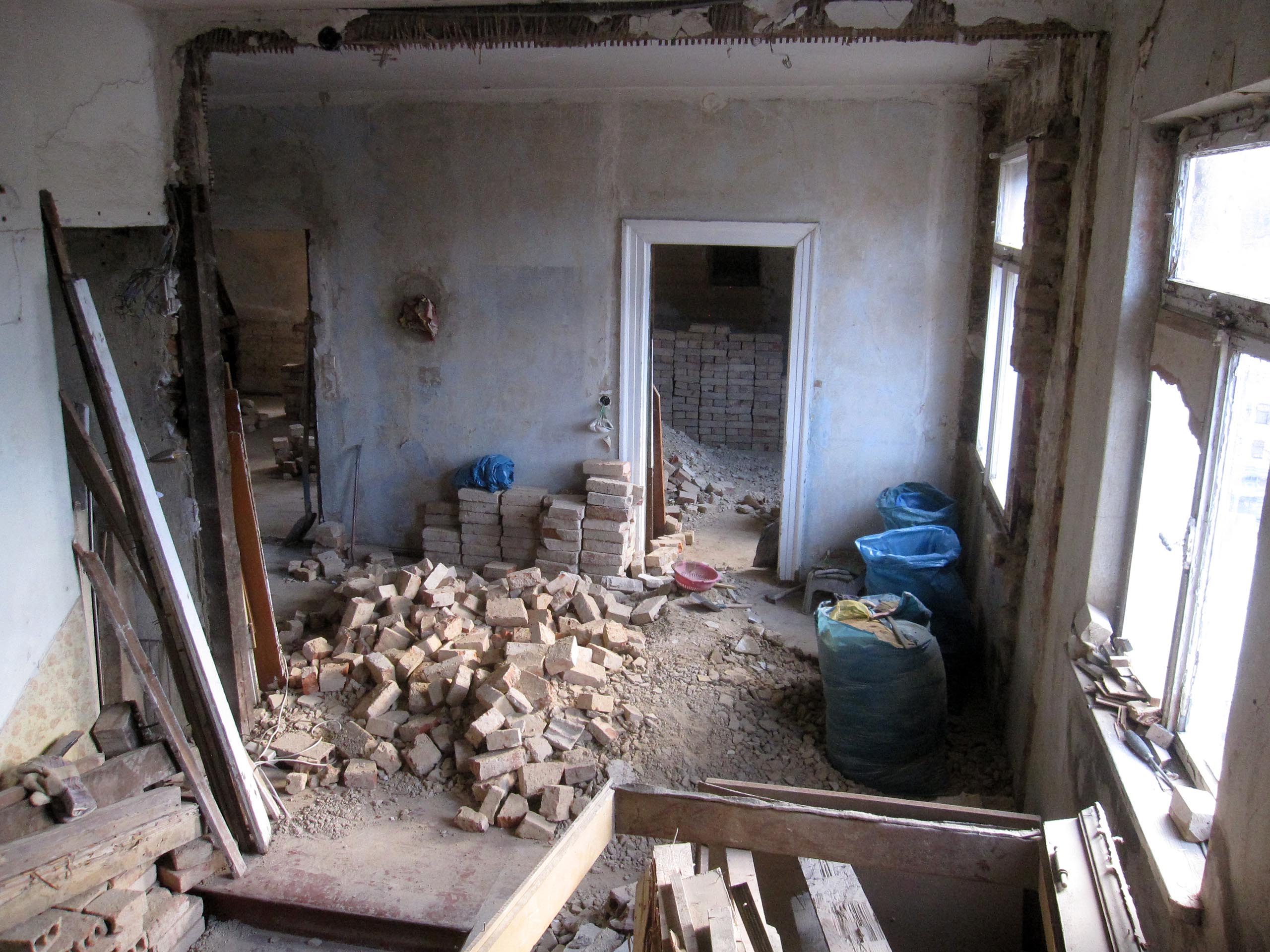
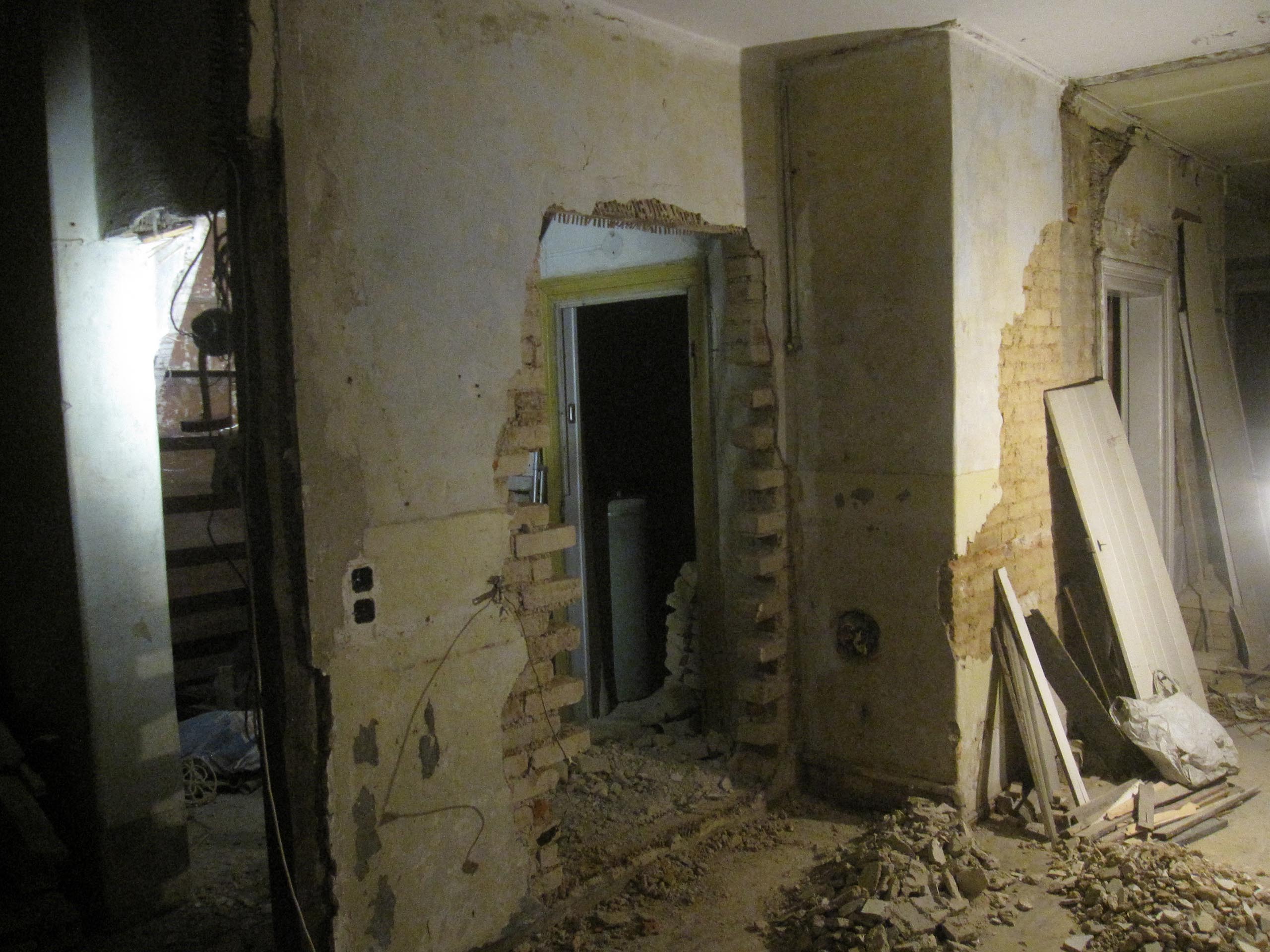
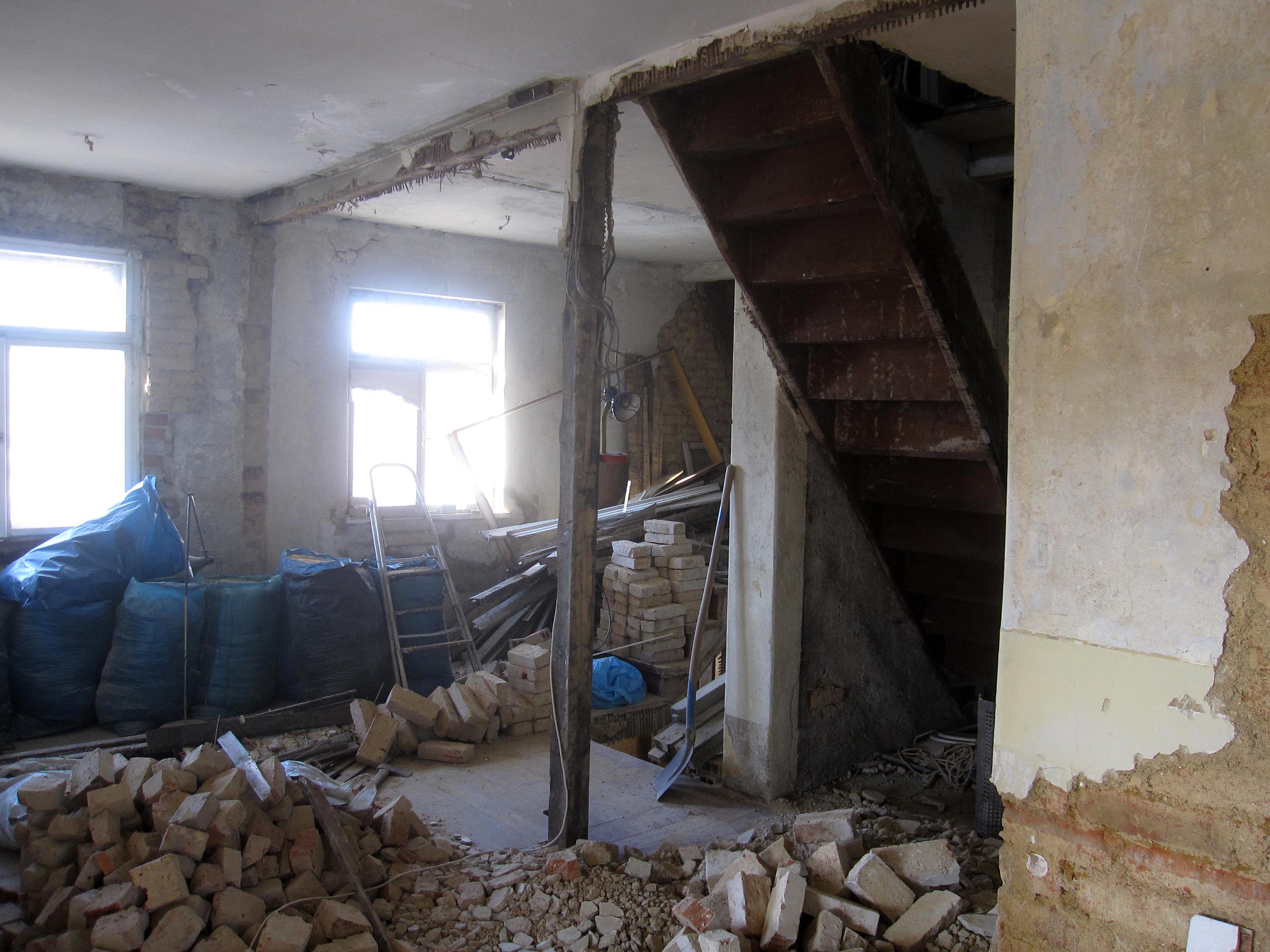
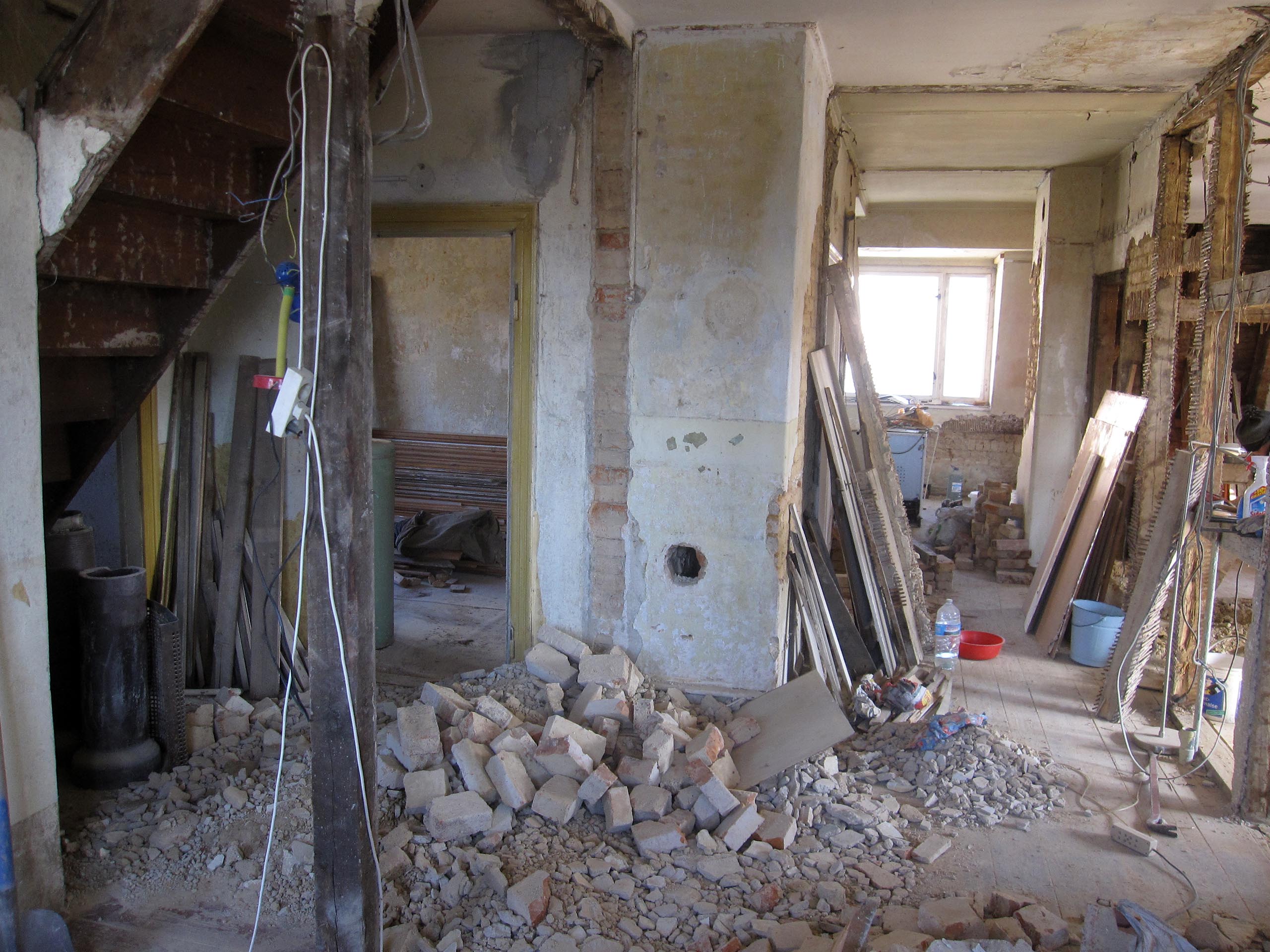
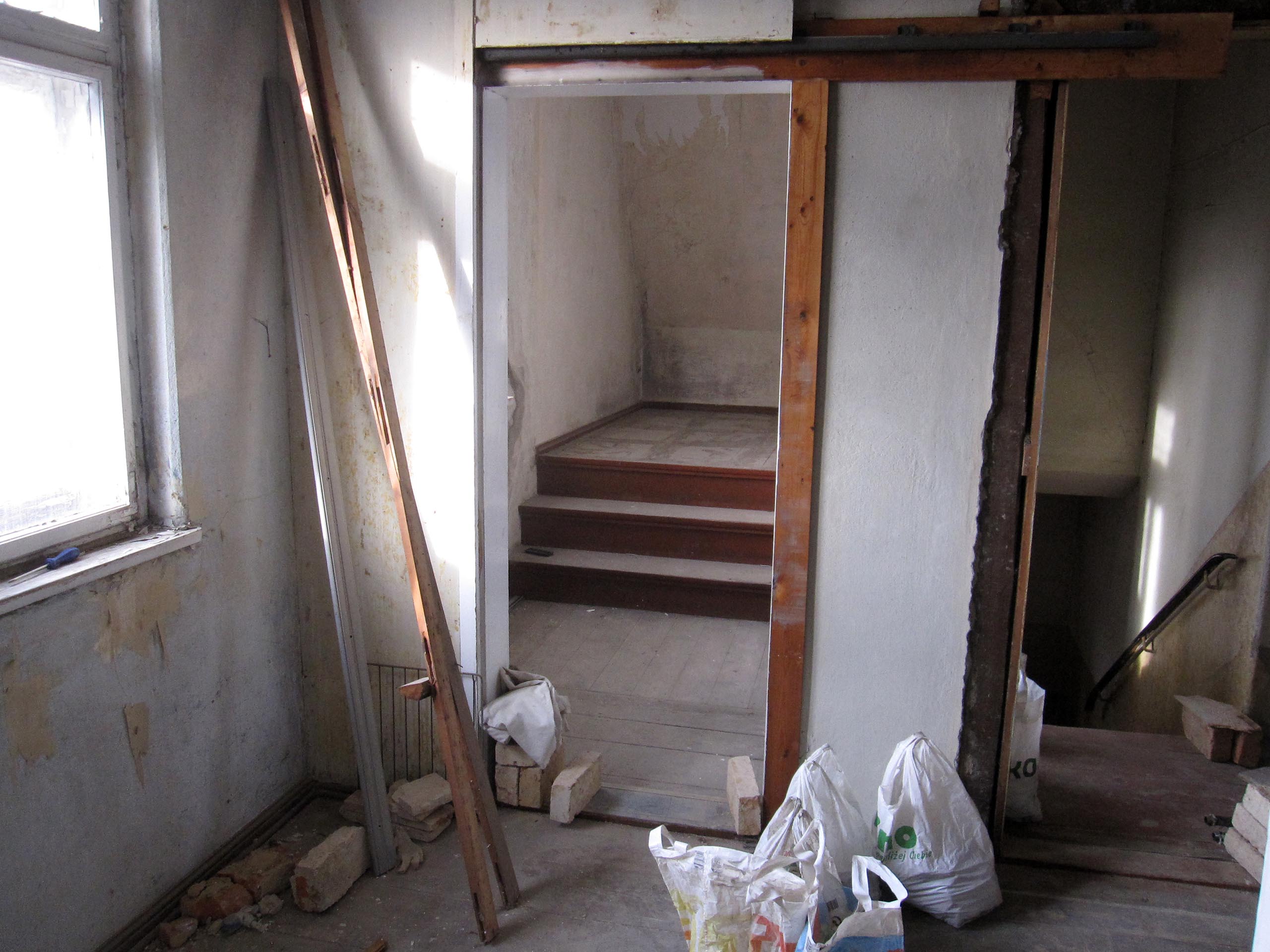
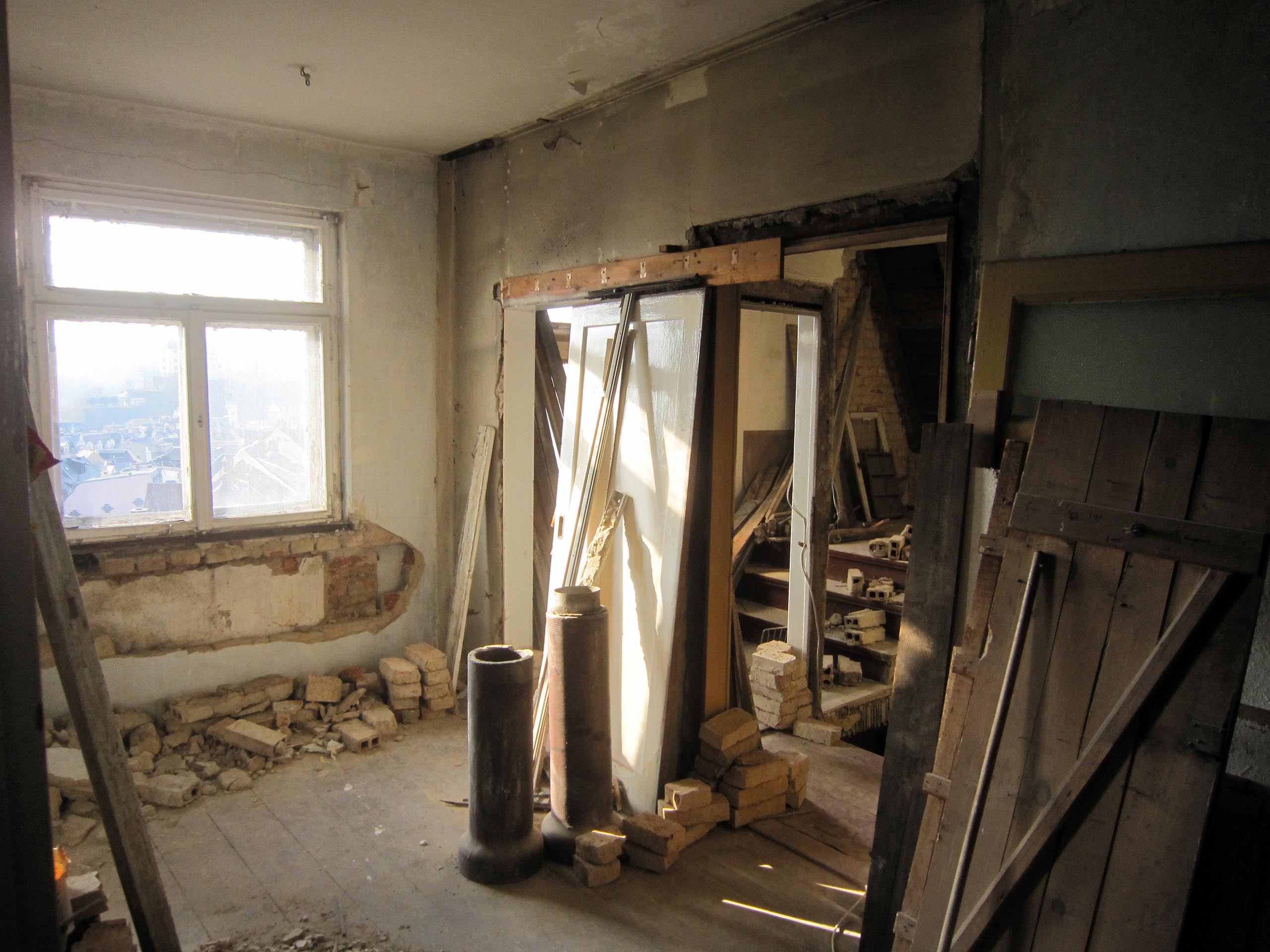
When the walls are plastered, it is difficult to see what has been rebuilt. Only after removing the plaster does the entire story of the alterations become visible. After removing the plaster from the walls of the roof floor, the modifications to this level and to the staircase became apparent. As a result of these changes, the autonomy of the staircase was compromised. It can be assumed that these alterations were carried out in the 1920s–1930s, when the house acquired a new owner, Otto Schneeweiß..
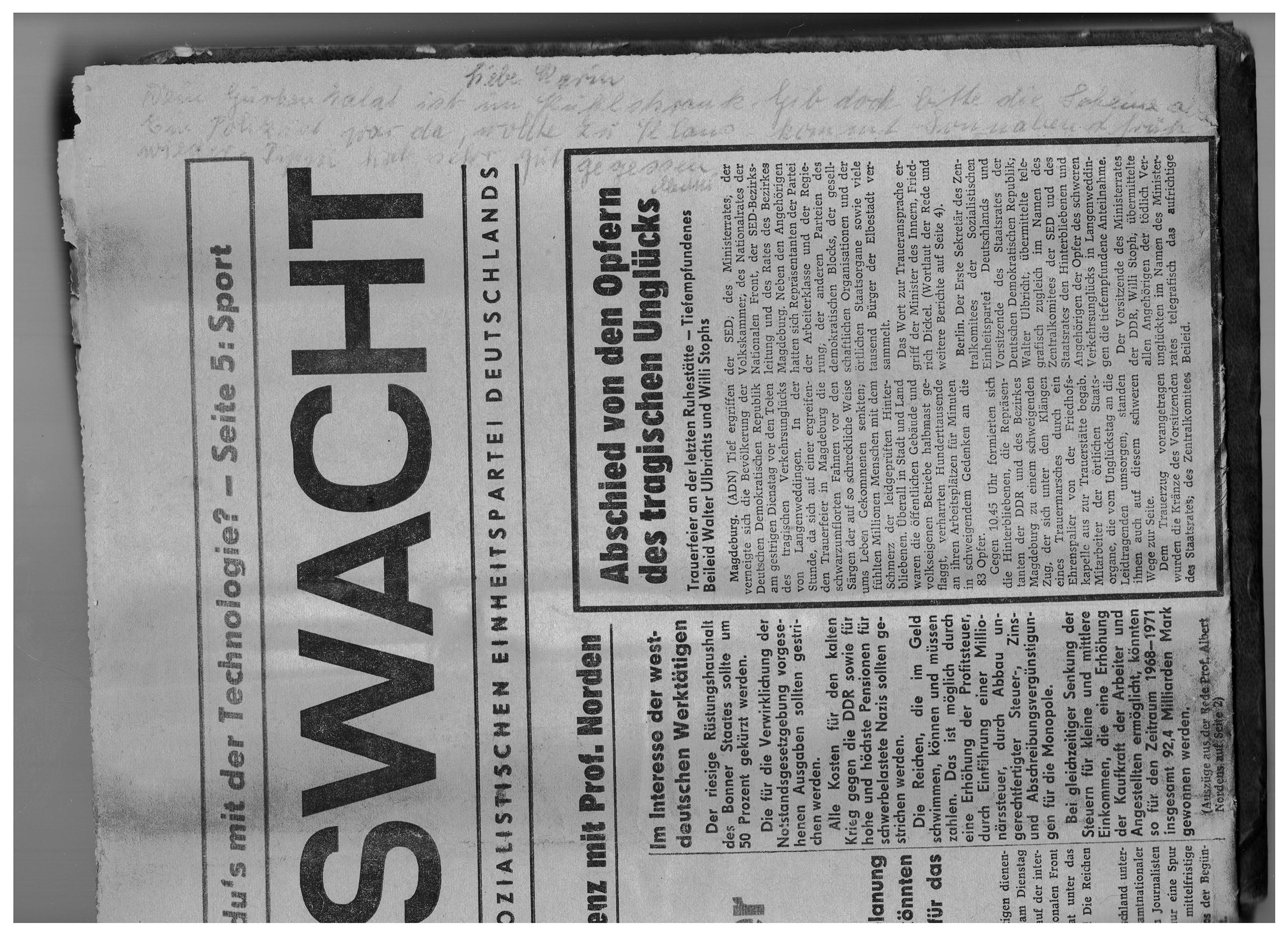
Newspaper with Family History
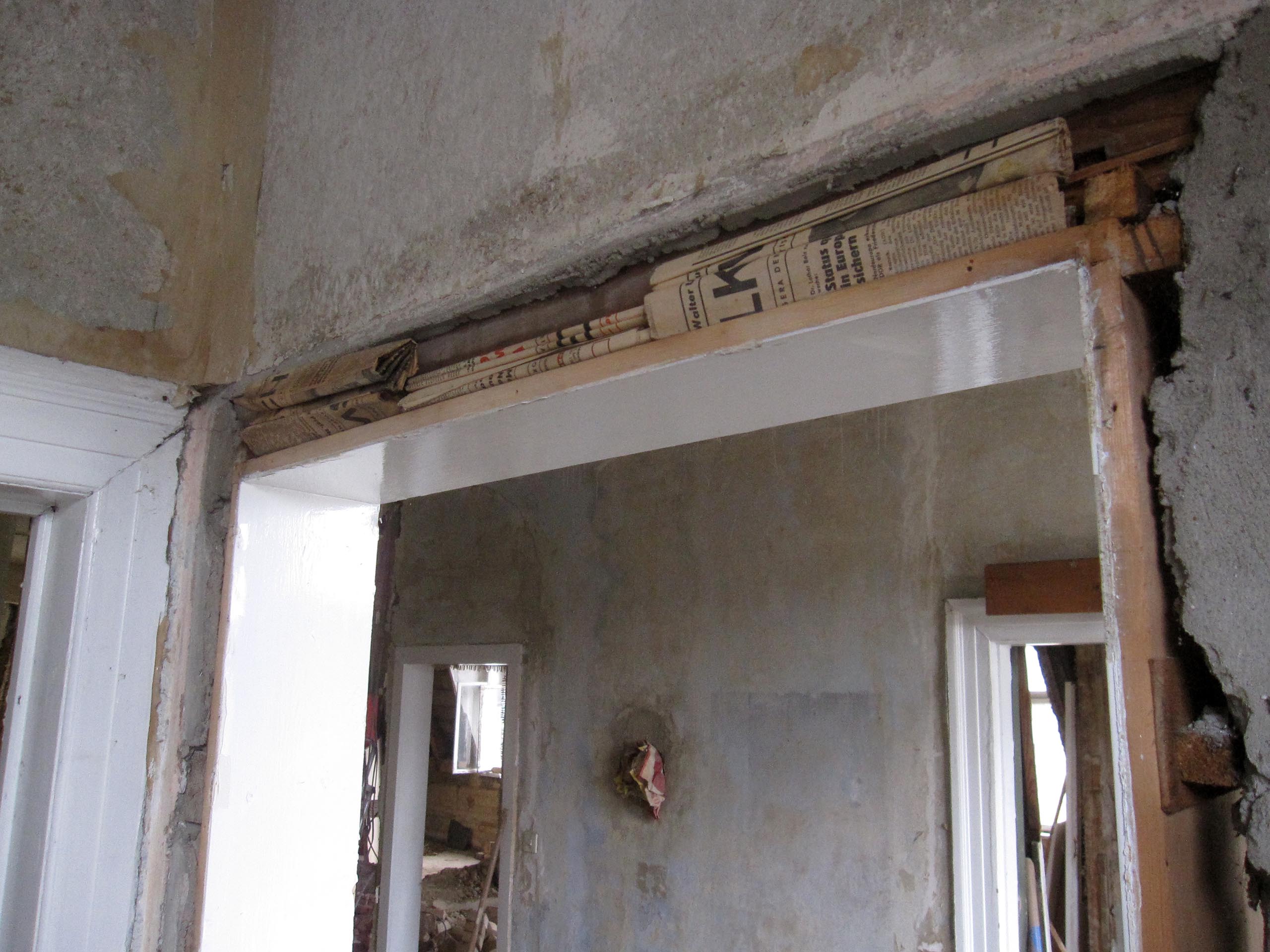
«Liebe Karin, Dein Gurkensalat ist im Kühlschrank. Gib doch bitte die Scheine ab. Ein Polizist war da; wollte zum Klaus. Kommt Sonnabend früh wieder. Pippi hat sehr gut gegessen. Mutti»
“Dear Karin, your cucumber salad is in the refrigerator. Please hand in the lottery tickets. A police officer was here; he wanted to see Klaus. He will come again on Saturday morning. Pippi ate very well. Mom.”
The newspaper containing this note was found in a doorway. It is a vivid example of how, in a short period of time, such a useful object as a newspaper can transform from reading material into a notepad, then into building material, and eventually into a valuable memory. The following story proves this directly. Several years after the discovery we received a letter from a former resident of the house. He described which apartment he had lived in. We assumed that this note might somehow be related to him and sent him a photograph of the message. To our great joy, our intuition was correct. This person had the most direct connection to it: all the people mentioned in the note were members of his family.
Fire Safety of the Staircase
The staircase is a very important element in a multi-storey building. The law states that the staircase must be enclosed by a fire-resistant wall, and the ventilation window must be located at the highest point of the staircase.
Technical Approval of the Building
This reconstruction of the staircase violated its fire safety. As a result, the building has effectively existed for about one hundred years without a valid technical building passport, even though it remained a residential building until 2002.
Roof Floor before the 1900s
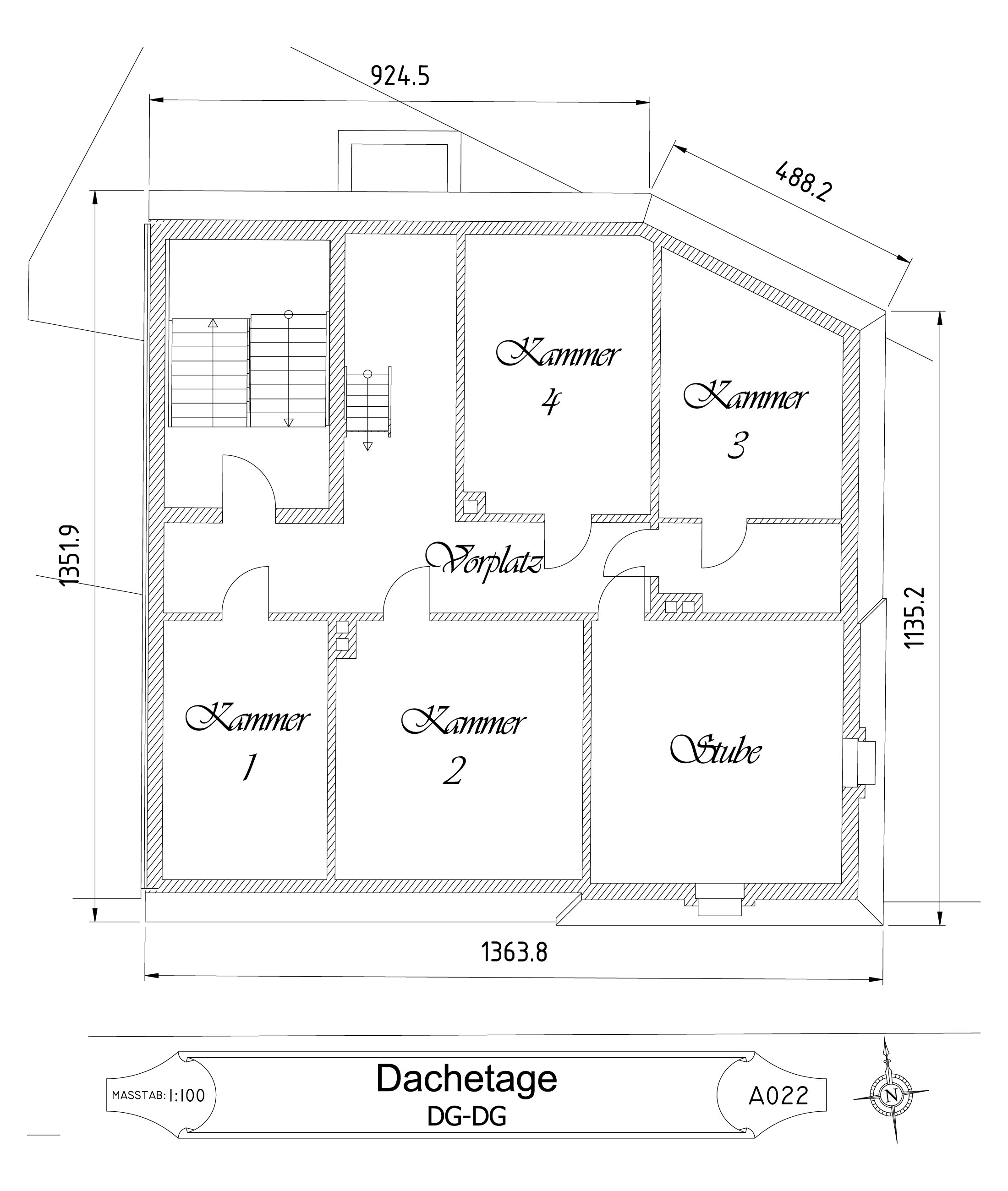
Roof floor plan of Dietel's house
Originally, the staircase block began on the first floor with a massive brick fire-protection wall 28 cm thick. The other internal partition walls were built using the half-timber (Fachwerk) method. The toilet on the roof floor was separated by a wooden wall.
On the roof floor there were only two windows (dormers) in the south-eastern corner tower room. Along the rest of the perimeter there were small roof hatches. To make the plan clearer, I did not depict the roof slope in the horizontal drawing.
Reconstruction of the Roof Floor in the 1920–30s
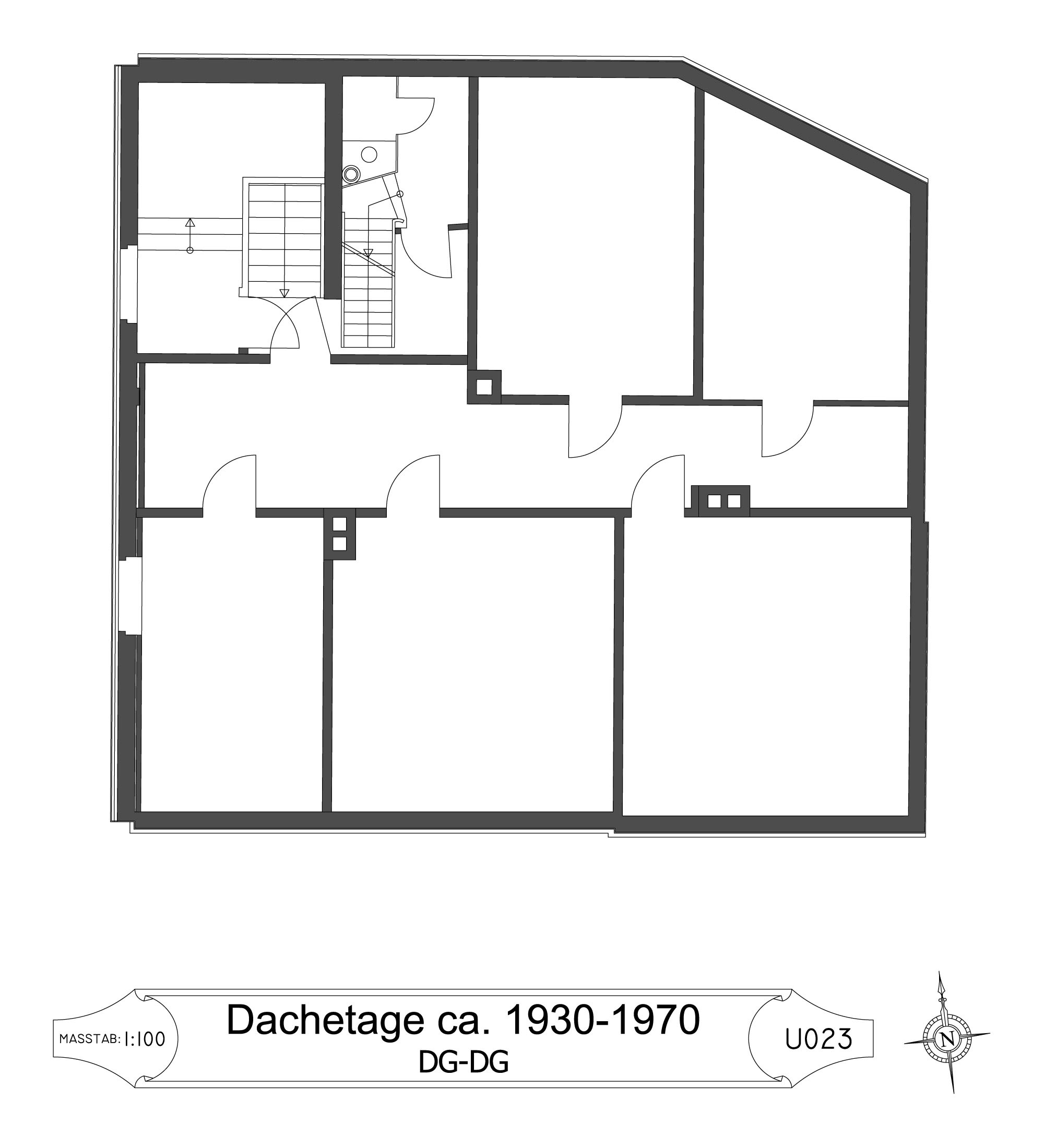
Roof floor plan of Dietel's house, 1930–1970
In the state archive there is a photograph from the beginning of the twentieth century showing that there were only two windows in the western attic wall. Presumably in the 1920s–30s a room was constructed on the top level of the staircase: the railing was removed and the uppermost stair landing was extended and turned into a floor. The 28 cm thick fire-protection wall was removed; stepping back about 50 cm and reducing the stair opening, another wall about 15 cm thick was erected, partly half-timbered. Two windows were cut into the western wall.
Reconstruction of the Roof Floor in the 1960s
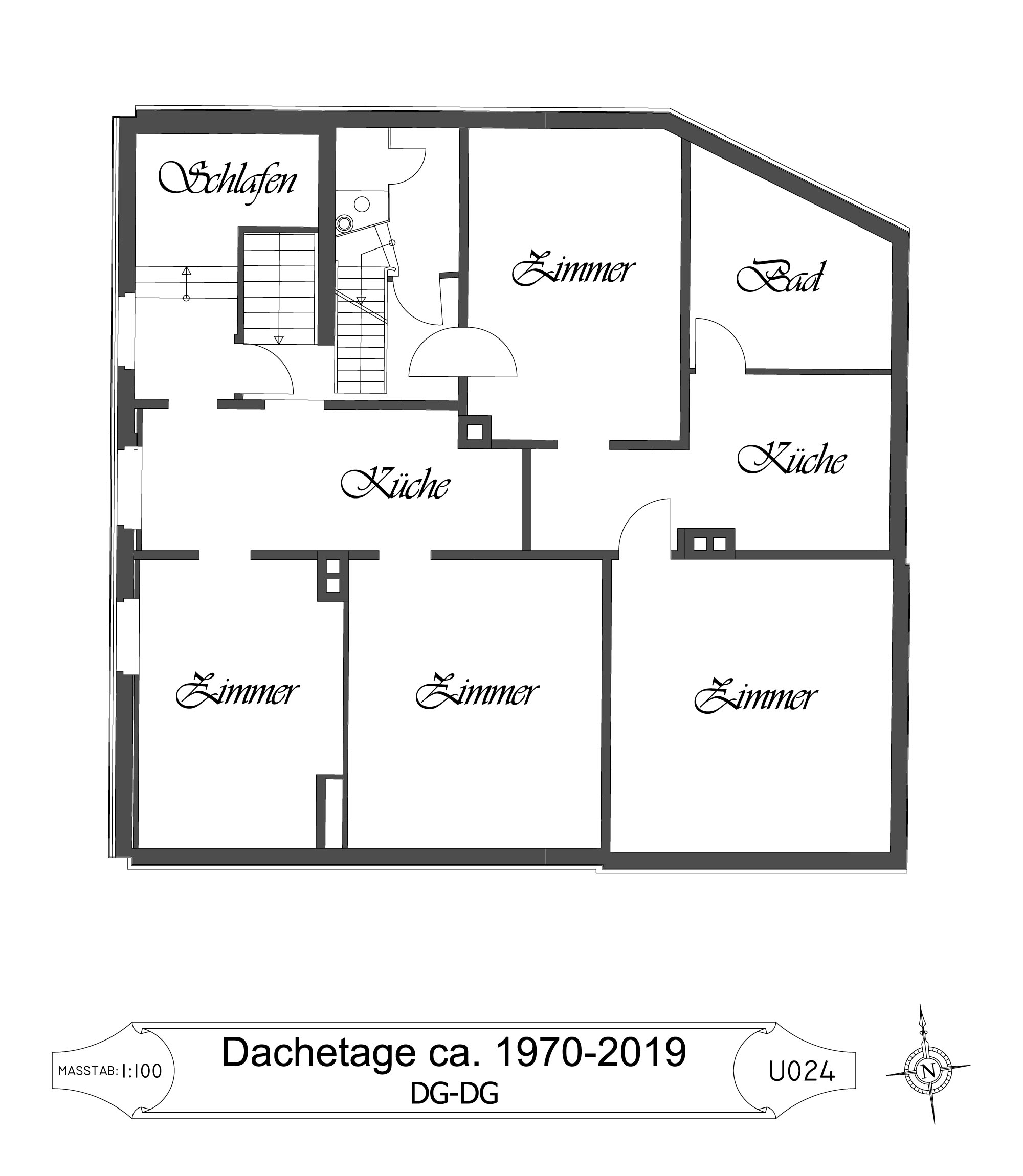
Roof floor plan of Dietel's house, 1970–2019
During the GDR period the roof floor was divided into two apartments. Another window was cut between the two already existing windows. The corridor was divided by a wall. The wall near the chimney was also moved. The new walls were brick rather than half-timbered. The staircase door was boarded up with chipboard and a new doorway was cut. Many interior doors were replaced with sliding doors.
Three three-part dormer windows were installed. They are not indicated on the horizontal plan.
Interesting
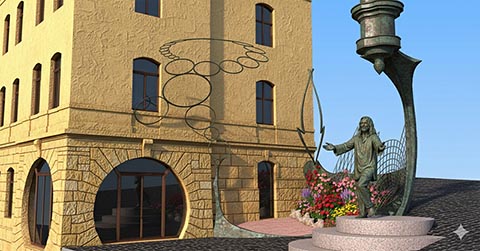
Istvanplatz in front of the Victor Dietel apartment building in Greiz — a Istvan Sky memorial project.
Repair and restoration of bracket clock with a verge escapement, is activated by a fusee (snail) and chain.
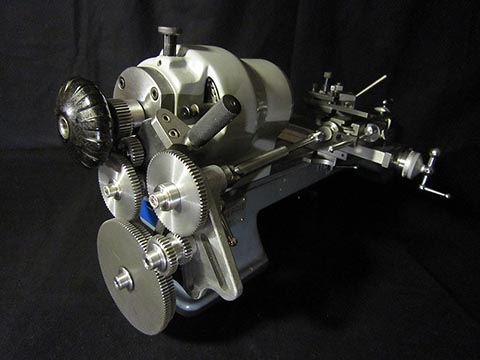
Threading attachment for Schaublin 70 handmade 2016 by Alexander Babel.
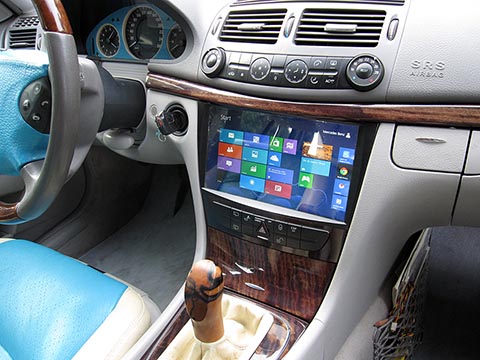
Car-PC for Mercedes Е Klasse W211. Designed and manufactured 2014
Contact
Alexander Babel is autodidakt as designer, engineer, precision mechanic, toolmaker, watchmaker and goldsmith.